Healthy Living

MERS! What you need to know (CNN)

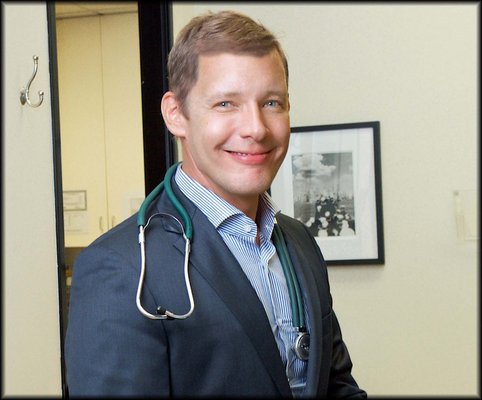
Friends and Family, please take a minute to educate yourself about MERS. - Dr. Dale
l

---------

MERS: 5 things to know

By 

Ashley Hayes

, CNN

updated 10:48 AM EDT, Wed May 14, 2014

http://www.cnn.com/2014/05/02/health/mers-5-things/index.html?hpt=he_c2

(CNN) -- MERS-CoV, short for Middle East Respiratory Syndrome coronavirus, first surfaced in Saudi Arabia in spring 2012.

As of Wednesday, 571 cases of MERS have been confirmed in 18 countries, according to the World Health Organization. Two of those cases were in the United States. There have been 171 deaths worldwide.

Here are five things you should know about MERS:

It's a coronavirus

MERS is in the same family of viruses as SARS (severe acute respiratory syndrome -- coronavirus) as well as the common cold. However, unlike SARS, which sickened more than 8,000 people in 2003 and killed 773 worldwide, MERS does not spread easily between humans -- at least not yet.

The virus acts like a cold and attacks the respiratory system, the Centers for Disease Control and Prevention has said. But symptoms, which include fever and a cough, are severe and can lead to pneumonia and kidney failure. Gastrointestinal symptoms such as diarrhea have also been seen, according to the WHO.

The average age of MERS victims is 51, officials say, although the ages range from 2 to 94.

Researchers don't know how MERS spreads

Although all MERS cases have been linked to six countries on the Arabian Peninsula, limited human-to-human transmission has been seen among people in close contact with patients, including health care workers.

Although such transmission appears to be limited, health officials are concerned about MERS because of its virulence -- it can be fatal in up to one-third of cases, Dr. Anne Schuchat, assistant surgeon general for the U.S. Public Health Service and director of the National Center for Immunization and Respiratory Diseases, said Friday.

"The virus has not shown to spread in a sustained way in communities," the CDC says on its website.

The WHO and CDC have not issued any travel warnings related to MERS, although the CDC suggests travelers to the Arabian Peninsula practice "enhanced precautions."

And "you are not considered to be at risk for MERS-CoV infection if you have not had close contact, such as caring for or living with someone who is being evaluated for MERS-CoV infection," according to the CDC website.

Camels appear to be a link in the MERS chain

Camels may be one clue. In a paper published earlier this week, researchers said they had isolated the live MERS virus from two single-humped camels, known as dromedaries. And in February, scientists published a finding that nearly three-quarters of camels in Saudi Arabia tested positive for past MERS exposure.

MERS was also found in a bat in Saudi Arabia, the CDC says.

"The way humans become infected from an animal and/or environmental source is still under investigation," the WHO said last month.

It may have a seasonal pattern

Officials have noted a surge in MERS cases this spring, and a similar increase was also seen last spring, Schuchat said on Friday. But they don't know whether the factors that lead to MERS may have a seasonal pattern, or whether the virus changes to become more easily transmissible.

There are no treatments and no vaccine

As of now, doctors can treat symptoms of MERS, such as fever or breathing difficulties, Schuchat said. However, there is no vaccine and no specific medicine, such as an antiviral drug, that targets MERS.

10 Ways To Get More Sleep

Well, we all know everyone can use this advice! -- Dr. Dale

---------------------------

http://www.huffingtonpost.com/2014/06/25/get-more-sleep_n_5526580.html?utm_hp_ref=healthy-living

By Rebecca Scritchfield for U.S. News Health

It's 1 a.m. on a Tuesday, and you're awake, sluggishly trying to finish every last item on your jam-packed to-do list. Sound familiar? You're not alone. Sixty-three percent of adults report that getting enough sleep is extremely or very important to them, but only 30 percent say they are doing a very good job achieving this goal,according to an American Psychological Association survey. In fact, and on average, American adults get only 6.7 hours of sleep per night.

These statistics are exactly why I created a 30-Day Sleep Challenge for the month of June. I'm challenging you to improve the quantity and quality of your rest, so you can be your best, healthiest self.

Sleep is often neglected in favor of getting more done, which almost always backfires. When you're sleep-deprived, you're less productive, more irritable and you often have too little energy for healthy eating and exercise that day.

If you habitually get too little sleep, your health could be in real trouble. Sleep is the time when your body recuperates and rebuilds from the day's stress. Imagine how much happier and healthier you could be with an additional 60 to 90 minutes of sleep each night.

What's keeping so many people up at night? Stress. It's the No. 1 reason people don't get enough sleep, according to the APA survey. Forty-three percent of people report lying awake at night because they feel stressed. We have too much to do and not enough time to do it, and instead of respecting the boundaries of our rest time, we take precious minutes (and even hours) from our sleep to worry about what didn't get done.

If you're stuck counting sheep, unable to fall asleep, try these healthy remedies: Make a list. If your mind is racing with all the things you have to do the next day, get them down on paper. This can help you move on and get your much-needed rest.

Drink a cup of warm milk, chamomile tea or tart cherry juice -– each can positively influence your sleep patterns.

Eat magnesium-rich foods like almonds, and calcium-rich foods such as cheese and crackers, which help your body use tryptophan and serotonin to get sleepy. You can also learn more about sleep producing foods by visiting my blog.

Leave your phone and other screens turned off. The glow can interfere with your body's production of melatonin, which is a hormone that makes us feel sleepy.

Don't lie awake staring at the ceiling for too long. If you’ve been awake for more than 30 minutes, get up and either get a glass of water, walk around the room or gently stretch. Doing so can help interrupt the "I can't sleep" pattern.

Hide your clock. The last thing you need to do is count every passing minute that you're awake. If you need an alarm clock to get up in the morning, just turn it around so you can't see the clock face at night.

One of the best things you can do for your health is create a better sleep routine. These are tips to help establish a healthy, long-term sleep pattern: Set sleep boundaries and stick to them. Allot at least eight hours for sleep every night. Don't stay up late or set your alarm extra early just to knock out a few extra to-do items. The more rest you get, the more productive you'll be during waking hours.

Give yourself a bedtime, and go to bed at that time every night. Our bodies become accustomed to the routine, and eventually you'll fall asleep faster.

Don’t workwatch TV, email, text or look at social media from bed. Your bed should be for two things only: sleep and sex.

Keep screens out of the bedroom, or at least away from the bed.

For my #30daysleepchallenge, I encourage you to improve your sleep habits so you can be ready for whatever life throws at you on a daily basis –- physically, mentally and emotionally. I'm posting tons of tips and information on my blog, Twitter, Facebook and Pinterest to help you get better sleep. We've already been going for a while, but you can join in at any time! Be sure to share your thoughts, and I'll be responding to your questions every day.

5 Health Mistakes You're Making Before 10 a.m.

LOVING THIS! -- Dr. Dale

l

-------------- http://www.huffingtonpost.com/2014/06/09/health-mistakes-you-make-in-the-morning_n_5434091.html

By Corrie Pikul

  • Mistake 1: You hit the ground running. You jump out of bed ready to face the day head-on. The problem is that you may be demanding too much from your back muscles, which are often stiff from a long night of resting in one place, says Robert Oexman, a sleep and chiropractic expert and director of the Sleep to Live Institute. Move too quickly and your muscles may spasm and put you at risk for lower back pain or even a slipped or ruptured disk. Another reason to get up slowly: When we stand after lying down for hours, the blood rushes to the legs, and this can cause a lightheaded feeling that puts us at risk for a stumble. This effect, called orthostatic hypotension, is especially common in women, says Alan Hilibrand, MD, a surgeon and spokesperson for the American Academy of Orthopaedic Surgeons.

  • Try this: Before jumping into the shower, Oexman recommends hugging the knees to the chest (one at a time, then together). This will not only help warm up the muscles, but it will also get your blood flowing throughout the body so you'll feel more stable when you rise and shine.

  • Mistake 2: You keep the window shades down while you get ready for work. Blackout shades turn your room into a dark, cozy cave that can help you fall sleep. But their benefits last only until it's time to get up. To help you start your day with a positive mood and to set your internal clock (so that you can wind down later at night), you need sunlight. Letting in those a.m. rays may also help you regulate your weight, found researchers at the Northwestern University Feinberg School of Medicine.

  • Try this: The more light the better, so open the shades all the way as soon as you get out of bed (or, um, as soon as you put on a bathrobe).

  • Mistake 3: You save your treat until the afternoon.

  • Most of us work hard, then take a break for personal time at lunch—or more likely around 3 p.m., when we begin to fade. But in a recent study from the University of Minnesota, when employees started the workday in a positive frame of mind, their mood got a bigger boost by pleasant events than if they started out glum and grumpy. They were also less impacted by negative interactions with coworkers, found the researchers.

  • Try this: Splurge on that latte on your way into the office, or take a few minutes to call your sister or maybe even do a few sun salutations, if you're into that kind of thing—anything to perk up before the day really gets going.

  • Mistake 4: You set your alarm for 6:47 a.m.  You've figured out the snooze math: hitting that button equals 10 minutes of extra sleep plus three more minutes to untangle the sheets and get out of bed. But sleeping in and dozing intermittently throws your body off schedule and will make it harder to fall asleep at night. This is why sleep experts curse the invention of that particular bell-and-whistle on most alarm clocks and and beg you not to use it.

  • Try this: Get up when your alarm goes off, not 10–20 minutes later.

  • Mistake 5: The first thing you do after waking up is exercise. You know you're supposed to eat breakfast within 30 minutes of getting up in order to jumpstart your metabolism, but that doesn't seem realistic when you're rushing to make an early-morning Spin class. Skipping the meal, though is a problem. You've been fasting all night and need some carbohydrates to top off your depleted energy stores—especially if you're about to deplete them further at the gym.

  • Try this: We're not saying you need a bowl of oatmeal with all the fixings. A handful of dry cereal or half a banana on your way to out the door is just fine (and a glass of water, of course, since that last time you drank anything was probably seven hours ago).