How Do I Prepare for a Colonoscopy?

Colonoscopies aren’t exactly fun, but they’re necessary as you get older to ensure that your health is in good standing. Of course, many people avoid the procedure because of what it entails as well as the colonoscopy preparation you have to go through prior to your appointment.

In this article, we’re going to talk about what you can expect from a colonoscopy procedure as well as the steps to take for your colonoscopy prep.

Keep reading to learn more.

What to Expect During Your Colonoscopy

A colonoscopy is an exam that doctors use to detect any changes or abnormalities in your large intestine and rectum. By the time you turn 45—or a few years earlier—you should be planning for your first colonoscopy appointment.

The colonoscopy procedure is fairly simple and typically takes between 30 and 60 minutes to complete. During the procedure, your doctor will have you lay on your side with your knees drawn to your chest while he or she inserts a long flexible tube, known as a colonoscope, into your rectum. At the end of the colonoscope is a tiny video camera that allows the doctor to view the inside of the entire colon on a connected monitor.

The colonoscope is long enough to span your entire large intestine or your colon. It also allows the doctor to pump air or carbon dioxide into your colon as needed to inflate it for better viewing of your colon’s lining. When this happens, there may be some discomfort in the form of abdominal cramping or the urge to go to the bathroom, which is why your doctor may administer a mild sedative often combined with intravenous pain medication. 

During the procedure, your doctor will examine the lining of your rectum and colon for abnormal tissues, such as polyps. These abnormalities can usually be removed directly through the scope during the procedure, and biopsy (tissue samples) can be taken at this time as well. 

Moreover, colonoscopies are important because they allow your doctor to screen for colon cancer and investigate the intestinal signs and symptoms that may be causing abdominal pain, rectal bleeding, chronic diarrhea, chronic constipation, and other intestinal issues. 

It’s critical to remember that if you’re in your mid to late 40s (or older) and are at the average risk for colon cancer—meaning the only factor here is age—your doctor will likely recommend that you go in for a colonoscopy every 10 years for a screening. 

How to Prepare for Your Colonoscopy

Knowing what to expect from your colonoscopy appointment is only half the battle. For a successful colonoscopy, you’ll need to attend your appointment with a completely emptied out colon. The best way to make that happen is to use a strong laxative, however, that’s not the only step there is to take. 

To prep for your colonoscopy as best as possible, follow these four steps:

1. Make a Plan with Your Doctor

Your doctor is your best source of information when it comes to getting ready for your colonoscopy. Once you schedule your appointment, he or she will likely give you a printed list of instructions to follow—read it carefully!

Your first step in preparing is making sure you clear your schedule for at least 24 hours prior to your appointment, make plans to have some go with you, and gather the necessary supplies:

  • Low-fiber foods

  • Juices, broths, and sports drinks

  • Moist wipes

  • Diaper cream

  • Strong laxatives

2. Start Your Colonoscopy Prep Diet

Three to four days leading up to your colonoscopy, you’ll want to start cleansing your colon by eating lighter—as in low-fiber and easily digestible foods.

Here are some things you can have:

  • White bread

  • Vegetables—that are well-cooked and without skin

  • Fruit—without seeds or skin

  • Lean protein such as chicken or fish

  • Eggs

Here’s what you should avoid:

  • Seeds, nuts, and popcorn

  • Tough meats (such as steak)

  • Whole grains

  • Fatty foods

  • Raw vegetables

  • Fruits that have seeds, skin, or peels

  • Corn, cabbage, broccoli, beans, and peas

You should also avoid taking any vitamins or other supplements during this time, and verify with your doctor whether or not you should hold off on taking any prescription medication. This goes for over-the-counter inflammatories as well.

3. Fast for 24 Hours

24-hours before the procedure, you’re not permitted to have any solid foods. The only thing you’ll be able to take in are clear liquids. Coffee and sodas are okay too, but no cream and very minimal sugar. 

You can also have gelatin and ice pops, but it’s important to avoid anything with blue, purple, and red coloring, as they can discolor the lining of your colon. 

Be sure not to eat or drink anything at all for two up to two hours before your appointment. 

4. Purge Yourself the Night Before

The night before your colonoscopy is when you’ll be taking a strong laxative, aka your colonoscopy prep drink. Be aware that it will be rather forceful and uncomfortable, so you’ll want to stay in the bathroom until it’s over.

The method that most people follow is known as split dosing, where you’re directed to drink a half-gallon of liquid laxative the evening before and another half-gallon six hours before your appointment.

Liquid lasting doesn’t exactly taste great, so you’re going to want to mix it with a sports drink if possible and keep it chilled. You may even want to follow up the dose with a piece of hard candy to get rid of the awful flavor. 

Once the laxative starts working, you’ll likely feel cramps and bloating leading up to diarrhea. For those with more sensitive stomachs, you may feel nauseous and begin to vomit.

Before the diarrhea starts, it’s recommended that you apply diaper cream to ease any chafing and discomfort from the area drying out. If the process was effective, your stool will begin to run completely clear.

Do it for Your Health

While colonoscopy prep and the procedure can cause some discomfort, the most important thing to remember is that you’re doing this for your health. It’s important to get screened for abnormalities, including cancer, so that you can continue to live a healthy and happy life.

Take your health into your own hands by contacting us today and scheduling an appointment. Don’t worry, we’ll be gentle — you’re in good hands!
What Are The Benefits of Telemedicine for Patients?

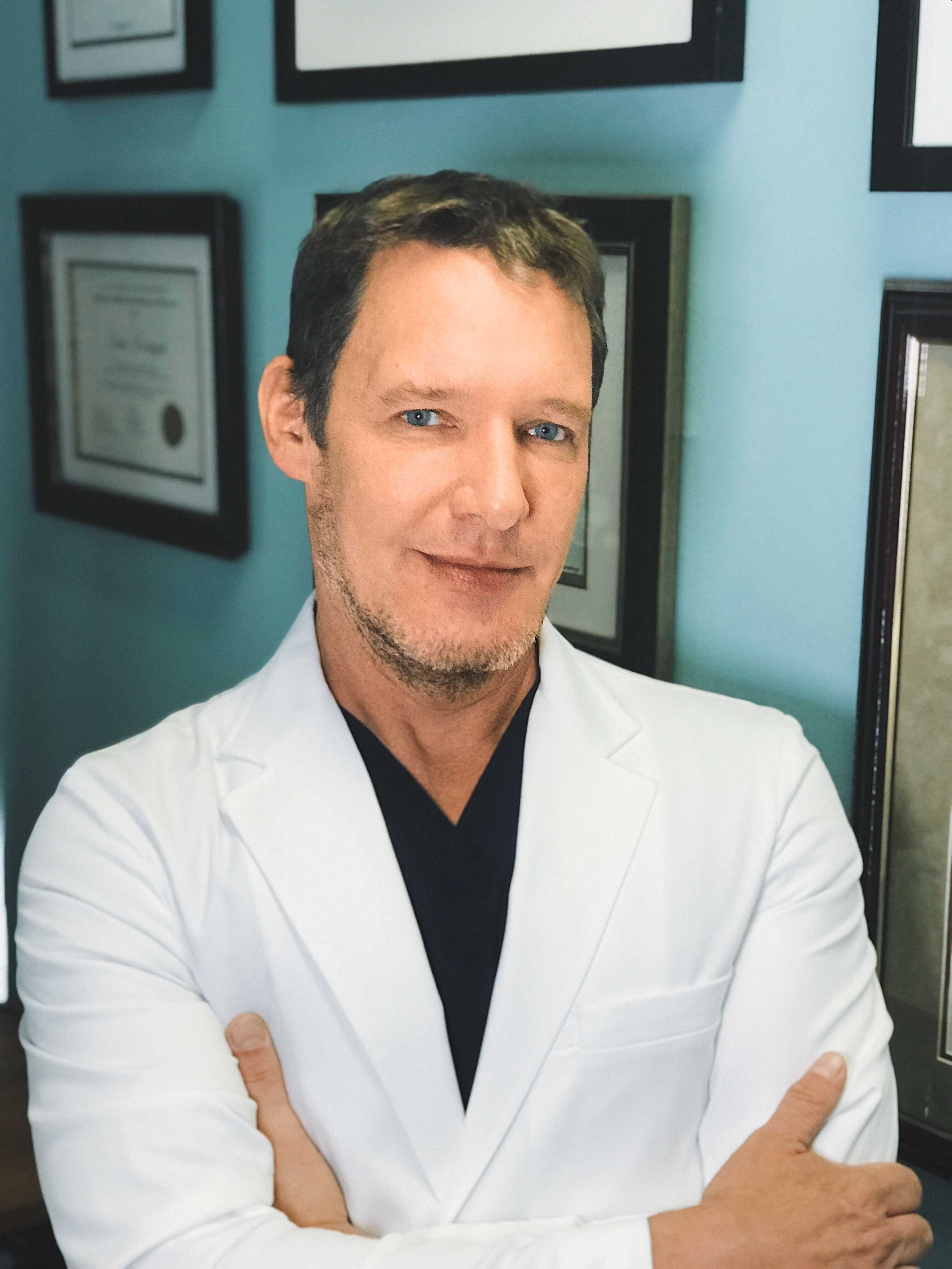
Dale Prokupek MD - High Res.jpg

One of the most significant benefits of telemedicine is that so many can take advantage of the increased accessibility of their doctor; as long as you have access to technology, you can make an online doctor visit. There’s not much downside that you have to worry about.

All you need is an ordinary smartphone or a laptop with a decent webcam. You may also need to use a specific telehealth application, like Teladoc or MDLive, that protects your privacy as you speak with your doctor on demand.

You might be a bit apprehensive about scheduling your first appointment with an online doctor, so I want this article to give you peace of mind and help you access the care you need during these trying times.

What types of visits are available for telemedicine?

Generally, telemedicine is available in three different delivery models:

  1. Store-and-forward telemedicine

  2. Remote patient monitoring

  3. Real-time telemedicine

You may or may not have heard of these so let me provide a short explanation of each one.

Store-and-forward telemedicine

Store-and-forward telemedicine refers to the coordination of a team of physicians to collaborate on a patient's care. The benefit is that several specialists can have quick and easy access to the same information. This type of telemedicine works well for specific medical specialties, such as gastroenterology.

Remote patient monitoring

Remote patient monitoring is similar but distinct from store-and-forward telehealth. If I use remote patient monitoring in my practice, I need to track a patient’s health status regularly. Remotely monitoring a patient's glucose levels is a perfect example.

Real-time telemedicine

Real-time telemedicine receives the most attention in the medical field, especially during the COVID-19 public health crisis. Telemedicine visits only require video conferencing software and a private place to have a consultation. There's usually no extra setup, except for downloading and sometimes registering an account with the secure software platform being utilized.

Why you should try telemedicine

In this day and age, public health safety measures are top-of-mind for everybody, especially at my practice. We care about providing quality care to all of our patients, whether or not they can drive to our location. Everyone deserves access to their doctor, even though pandemic has limited our ability to interact face-to-face.

It's a comforting experience to speak with immuno-compromised or high-risk patients safely without exposing them unnecessarily to the risk of contracting COVID-19. It will take the entire medical field working together to ensure that patients just like you don't have to wait to see a doctor merely because medical resources are scarce. The increased attention and utilization of Telemedicine by doctors and patients alike has helped to move this efficient practice to the forefront of appointment scheduling today.

Nowadays, speaking with a doctor on demand is easy. You don't have to take time off from work or find a babysitter on short notice. It's genuinely cost-effective for both patients and physicians alike.

Another reason you should try telemedicine is that most insurance plans will cover it. I've had several patients who were at first apprehensive about speaking with me online, but their concerns always subside after a few telehealth consultations.

Are you ready to schedule your first telemedicine appointment with Dr. Dale?

If you need to schedule an appointment at our practice, click below to book a consultation.

– Dr. Dale Prokupek, MD

Don’t Skip Your Colonoscopy

The dreaded colonoscopy.

Dr. Dale Prokupek, MD.jpg

Hey everyone, Dr. Dale here.

Out of all the procedures I perform, this is the one that patients tend to feel the most apprehensive about, hands down.  And while it’s true that no one really looks forward to having a colonoscopy, there’s one very simple reason that doctors continue to recommend the procedure—it can save your life.

According to the American Cancer Society, there were an estimated 50,630 colorectal cancer-related deaths in 2018.  A staggering 60% of these deaths could have been avoided with appropriate preventative care, namely colonoscopy (research shows that colonoscopy is the most effective preventative tool we have for this disease).

Traditionally, doctors recommended that most patients begin colorectal cancer screening at age 50, and continue to have regular colonoscopies every 10 years.  In May 2018, the American Cancer Society updated its guidelines, and now recommends that most patients begin colorectal cancer screening when they turn 45.  Screening can include colonoscopy, as well as other lab and imaging tests, such as the Fecal Occult Blood Test (FOBT).

Patients who have an increased risk of colorectal cancer may need to start screening sooner.  That includes patients with inflammatory bowel disease, and those with a family history of colorectal cancer or certain types of polyps.  Because every patient is different, I can recommend the screening schedule that’s best for your particular health needs.

It’s normal to feel anxious about having a colonoscopy, particularly if it’s your first one.  But keep in mind that there are a lot of common misconceptions about this procedure, which could be feeding your anxiety.  In fact, after the procedure is over, patients often tell us “that wasn’t nearly as bad as I thought it’d be.”

The night before your colonoscopy, you’ll be asked to prepare for the procedure by drinking a laxative solution.  This will ensure that your bowels are completely cleaned out, so that I can see the lining of your colon and detect any polyps or other abnormalities.

During the procedure, a thin, flexible tube is inserted into the rectum, and slowly guided into the colon. There’s a small camera on the end of the tube, which transmits images onto a video monitor.  If polyps are found, they can be removed during the colonoscopy, and may be sent for biopsy.  You’ll also receive a sedative medication to ensure that you feel comfortable and relaxed.  Many patients are actually asleep during the colonoscopy itself.  And that’s it.  When you awake from the procedure, I’ll discuss your results with you.

So don’t put off your colonoscopy due to fear or anxiety.  I have over 14 years of experience treating patients with colorectal conditions. I use the most current, state-of-the-art colonoscopy equipment, and can meet with you to discuss any questions or concerns you might have about this procedure.

Contact my office at 310-360-6807 or click here to schedule a consultation with me.

- Dr. Dale