How Do I Detox My Colon?

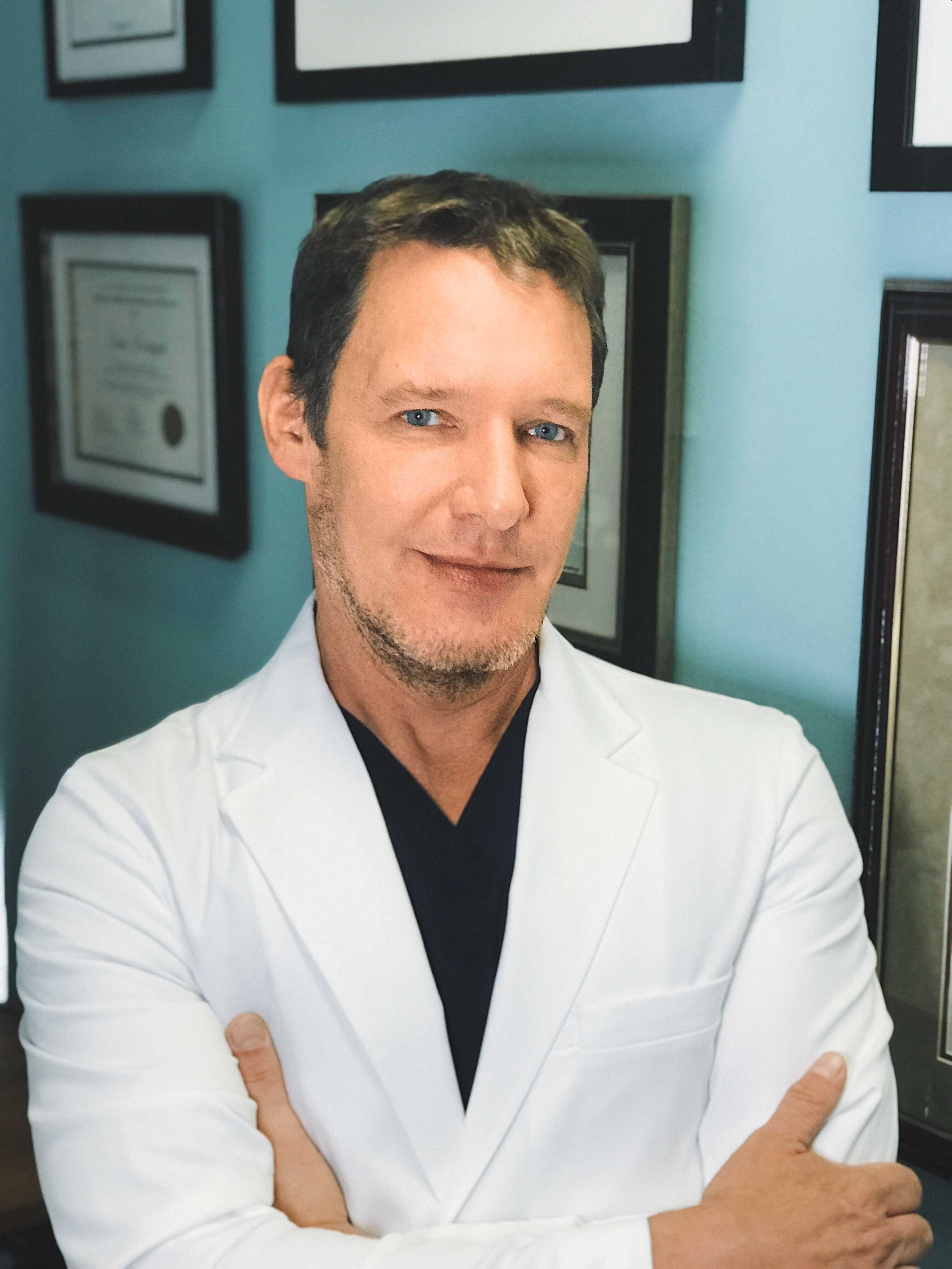
Dale Prokupek MD - High Res.jpg

The year-end holidays may have looked a little different in 2020, but it is still a time when many of us embrace the chance to eat, drink, and make merry. Wonderful though it is to celebrate with friends and family, indulging in food and drink that we might not normally reach for can have a heavy effect on our digestive systems, leaving us feeling constipated or bloated.

It is no surprise that many people start the New Year curious about a detox to get their bodies feeling good again. But there is a lot of misinformation out there about how to detox your colon and what it will do for your body, especially when it comes to colon cleanses. So, I want to use this opportunity to explain how to safely cleanse your colon.

What is colon cleansing?

Your colon (or large intestine) is part of your digestive system and generally does its job of removing waste from your body effectively. But at times our colons become backed-up, leading to constipation, discomfort, and bloating. This often occurs when we have changed our diets or have been eating a lot of processed foods.

A colon cleanse aims to clear the large intestine of waste to relieve the discomfort and allow it to do its job properly again. Some people also claim that colon cleanses help to clear the body of toxins, but there is no evidence yet that this is the case. It also shouldn’t be used as a way to lose weight.

However, a 2016 study looking at the effectiveness of colon cleanses in relieving digestive issues in patients with irritable bowel syndrome (IBS) found that they did indeed reduce abdominal pain, constipation, and diarrhea.

You may also be asked to do a colon cleanse if you are due for a colonoscopy – this helps clear your bowel so that your doctor can see more clearly and identify any issues during the investigation.

How do you cleanse your colon?

1. Diet and lifestyle

Before you reach for any of the over-the-counter colon cleanses available, it is best to try making changes to your diet and lifestyle to detox your colon naturally. There are plenty of gut-friendly diet plans out there to guide you. The basic principles include:

Eating plenty of high-fiber foods, such as vegetables, legumes, fruits, and whole-grains.

Drinking plenty of water – at least 2 liters a day.

Taking a probiotic to encourage beneficial gut bacteria.

Taking a vitamin C supplement – a 2015 study found that vitamin C was an effective way to cleanse the colon.

Daily exercise – even gentle physical activities, such as walking or the slow body movements of Yoga or Qigong, are thought to be effective in tackling constipation.

Avoiding processed foods, which are associated with a higher risk of digestive issues.

2. Juices and smoothies

You may also see juice cleanses or detoxing smoothies recommended to treat digestive issues and there’s some evidence to suggest that incorporating them into a healthy diet can help cleanse the colon. Studies have found that adding orange juice or pineapple juice to bowel cleansing liquids improved the efficiency of the regime.

There is some concern though with juice or smoothie cleanses – when taken to extremes, they can cause side effects such as dizziness, nausea, or diarrhea. Juicing also removes most of the beneficial fiber, so eating whole fruits and vegetables will usually be more beneficial. So adding juices and smoothies as part of a healthy diet might help to improve your digestive health, but should not become a replacement for meals.

3. Speak to a doctor

If you are considering a juice cleanse, speak to a doctor first. The same goes for using any over-the-counter cleanses – if you have tried a healthy diet and are still experiencing digestive issues, it is best to speak to a doctor who specializes in internal medicine before attempting other home remedies.

On occasion, persistent digestive problems such as constipation, pain, or bloating can be an early symptom of colon cancer. Catching it early makes treatment much easier, so making an appointment to speak to a professional is the best approach for ongoing digestive issues.

Your doctor will be able to check that there are no underlying causes for concern and might be able to recommend colon cleansing treatments such as colonic hydrotherapy (also known as colonic irrigation), which uses water to flush the waste out of your colon.

Dr. Dale Prokupek, MD

What Causes Anal Warts?

What Are Anal Warts?

Dale Prokupek MD - High Res.jpg

Anal warts, also known as genital warts, are the result of a sexually transmitted infection (STI) that can affect both men and women. The medical term for anal or genital (anogenital) warts is condyloma acuminata.

Anal warts appear as bumps in or around the anus or genitals. They are usually pale brown, flesh-colored, or pink. Most anal warts are very small, some too small to be visible.

Warts can cluster together and form a cauliflower-shaped growth.

The infection that causes anal warts is also associated with cervical cancer, cancers of the vulva and vagina, penis cancer, anal cancer, and cancers of the mouth and throat.

Symptoms of Genital and Anal Warts

Anal warts are often invisible and painless, meaning the affected person may not know they have them. But they can cause itching, mucous discharge, or bleeding during or after intercourse.

Anal and genital warts appear on the penis, scrotum, or anus in men, and the vulva, vagina, perineum, or anus in women. They can be located inside the vagina and cervix or anus as well as on the surrounding areas.

Cause of Genital and Anal Warts

Anal and genital warts are caused by the human papillomavirus, abbreviated as ‘HPV’. The human papillomavirus (HPV) is the most common sexually transmitted infection and is estimated to newly infect up to 14 million people every year in the United States.

Without vaccination, experts estimate that nearly every sexually active person will be exposed to HPV at some point in their lifetime. There are many different strains of HPV, some of which can cause genital and anal warts and some of which can cause cancer.

You can be exposed to HPV through intercourse with an infected individual. Vaginal, anal, or oral intercourse all spread the virus and resulting infection. Some people develop genital warts in their mouths or throats as a result of being infected during oral sex.

Less commonly, an infection can be caused by touching or other direct contact with warts.

Though it sounds dire, most people who are infected by HPV never experience a symptom and the infection goes away without intervention. This likely contributes to the incredible widespread reach of HPV, making it common by ignorance causing many to rarely think about treatment or vaccination.

Prevention of HPV

HPV does not always cause an obvious infection. Many people with genital warts do not know they have them, and many others are infected but never show any symptoms. People pass the virus along without ever knowing it.

So how do you prevent infection? There are two methods, and which you choose will most likely depend on your age: Vaccination and Safe Sex Practices.

There are vaccines for several strains of HPV that are recommended for boys and girls as young as nine. The vaccines were developed to prevent cervical cancer associated with some strains of HPV but also protect against some strains that cause genital or anal warts.

The WHO (World Health Organization) recommends including the HPV vaccine in regular immunization protocols. First approved in 2006, the vaccines are safe and effective for preventing the strains of HPV most likely to cause cancer.

Prevention of HPV through vaccination is recommended for girls and boys around age 9 to12 before they become sexually active. It is also approved for both men and women up to the age of 45.

The other methods for preventing anal warts, genital warts, and general HPV infection are similar to those for preventing other types of sexually transmitted infections: Safe Sex. Limit your number of sexual partners, have STD/STI screenings before you become sexually active with a partner, and do not have intercourse with someone who has genital warts.

Condoms offer some protection against genital and anal warts but are not a reliable preventive strategy as this is not their purpose.

Women who have been vaccinated should still have regular pap smears to detect any cervical changes.

Treatment for Genital and Anal Warts

There is no treatment for HPV, but there are treatments for the resulting genital and anal warts. All anal and genital wart treatments are external and non-invasive.

There are a variety of topical creams and ointments that either boost your immune response to warts or destroy them outright. Some can be used at home, but others need to be applied by your doctor.

Other options are procedures to remove warts. Freezing, cauterizing, laser removal, and surgical excision are all used depending on the severity of the warts.

If you’re considering treatment for your anal warts, be aware that because the virus can remain in your body, genital warts often come back.

If you are pregnant, discuss your options with your doctor since you can pass HPV to your baby during delivery if they come in contact with genital or anal warts.

Talking to Your Doctor About Anal Warts and HPV

If you’re concerned about HPV infection or anal warts, it’s important to talk to your doctor. As telemedicine becomes more accessible and available, you may be able to have this conversation over the phone or with a video visit.

If you think you have active anal warts you should see us in person. But if you want to discuss prevention (including vaccination options), symptoms, treatment, or any other aspect of HPV or genital or anal warts, telemedicine may be an option.

Some people prefer to have sensitive conversations from the comfort and privacy of their own homes. It can also be easier to fit a visit with your doctor into a busy day if you don’t have to travel to our office.

Your best protection against HPV infection and its serious health consequences is knowledge. Learning more about vaccination, recognizing anal and genital warts, regular screening for HPV related illness, and reducing your risk all help you stay healthy.

If you’re living with anal or genital warts, regular check-ins with a doctor help you manage the symptoms and decide when treatment is necessary.

Don’t be afraid to make the call. This is a personal condition we specialize in treating. HPV is a common infection in both men and women, and genital and anal warts are a common result. If you think you may have genital or anal warts, or just want more information about human papillomavirus, call today for an appointment.

- Dr. Dale Prokupek, MD

How do I treat HIV?

Dale Prokupek MD - High Res.jpg

HIV, or human immunodeficiency virus, is an infection that attacks your immune system and makes it harder for your body to fight other diseases.[1] Being diagnosed with HIV is frightening, but with proper treatment, you can still live a full, healthy life. While there’s no cure for HIV, you can keep it under control and minimize the amount of virus in your body by taking a combination of antiretroviral therapy (ART) medications.[2] You can also reduce your risk of developing complications, such as secondary infections, by taking safety precautions and practicing good home care.

METHOD 1: Get medical treatments

Get tested to determine the stage of your infection.

If you’ve been diagnosed with HIV, it’s critical that you start treatment as soon as possible.[3] In order to make sure that you get the best possible treatment, your doctor will likely recommend doing tests to determine how severe your infection is. Ask your doctor about:[4]

  • A CD4 T cell count. This test checks your levels of a specific type of white blood cell that is attacked by HIV. If your CD4 T cell count falls below 200, your doctor will diagnose you with AIDS (acquired immunodeficiency syndrome), even if you don’t have any symptoms.

  • A viral load test. This test will check to see how much of the virus is in your blood. With HIV medications, you may be able to reduce your viral load to undetectable levels.

  • A drug resistance test. Some forms of HIV are resistant to antiretroviral medications. If your doctor determines that you have one of these strains, they’ll choose treatment options that are more likely to work with your particular form of the virus. This test is usually done if there’s evidence that your current drug treatment regimen is not working (such as a very high viral load).

Ask your doctor to check you for complications.

Your doctor can run tests to find out if you have any other infections or conditions that often occur along with HIV. If you do have any of these complications, talk to your doctor about the best way to treat them.[5]

  • Your doctor may test you for conditions such as tuberculosis, hepatitis, other sexually transmitted infections, urinary tract infections, liver or kidney damage, or toxoplasmosis.

  • You can help your doctor identify any potential complications or secondary infections by telling them about any symptoms you’ve been experiencing.

  • Your doctor will also recommend that you get lab work done regularly (typically every 3-6 months to once a year) to monitor your overall condition. For example, you will likely need a complete blood count (CBC) every 3-6 months, a basic metabolic panel (BMP) 1-2 months after you start treatment and then every 3-6 months, and a urinalysis once a year.

Take antiretroviral medications to control the virus.

The most common treatment for HIV is a combination of medications designed to block the effects of the virus. These medications won’t cure your infection, but they can keep it under control, minimize your symptoms, and give you the best possible quality of life.[6] Your doctor will likely recommend a combination of 3 medications, which you will need to take every day for the rest of your life. The most common types of HIV medications include: NNRTIs, NRTIs, and PIs, entry or fusion inhibitors, and integrase inhibitors.[7]

  • It's important to remember that antiretroviral medications only work on the HIV virus. These drugs will not cure or prevent other STDs.[8]

Let your doctor know if you experience side effects from treatment.

Unfortunately, HIV medications can have a variety of side effects, some of which may be severe. Let your doctor know if you experience any of these side effects. They may be able to adjust your medications, or recommend other medications or dietary changes that can help keep the side effects under control.[9] The most common side effects include:[10]

  • Tiredness

  • Nausea, vomiting, or diarrhea Headaches

  • Fever

  • Muscle cramps

  • Difficulty sleeping

  • Dizziness

Warning: Some HIV medications can have more serious long-term health effects, such as heart disease, liver and kidney damage, and weakened bones. Work closely with your doctor to monitor your reactions to the medication.[11]

Go to regular follow-up appointments with your doctor.

While you are being treated for HIV, see your doctor as often as they recommend to monitor your condition and make sure your medications are working properly. When you see your doctor, let them know if there have been any changes in your condition or if you have any questions or concerns.[12]

  • Don’t hesitate to call your doctor between regularly scheduled appointments if you have concerns or if your symptoms change or get worse.

  • The number and type of medical appointments you’ll need to go to will depend on a variety of factors, like your age, sex, overall health, risk factors for complications, and the stage of your infection.

  • In order to make sure your medications are working, your doctor will recommend regular lab tests. These will include HIV RNA tests (to check how much of the virus is present in your blood) and CD4 cell count tests.

  • These tests may become less frequent as your treatment progresses. For example, you’ll need to take viral load tests every 4-8 weeks after you first start treatment. Once your viral load becomes undetectable, you'll only need the test every 3-6 months.

Tell your doctor if you are pregnant.

Pregnant women with HIV need special care to prevent the virus from being passed to the baby. If you’re pregnant and HIV positive, tell your doctor immediately. They can take measures to keep you and your baby healthy and safe during and after your pregnancy. You can protect your baby before and after birth by:[13]

  • Taking antiretroviral medications during your pregnancy as prescribed by your doctor.

  • Having a C-section instead of a vaginal birth.

  • Using formula to feed your baby instead of breastfeeding.

  • Giving your baby antiretroviral medications 4 times a day until they are 6 weeks old.[14]

Look into joining a clinical trial.

Clinical trials offer opportunities for you to try new and experimental treatments for HIV. Even if you don’t benefit directly from the trial, your participation may help other people with HIV in the future.[15] Ask your doctor if they can recommend clinical trials in your area.

  • You can find a list of clinical trials relating to the treatment of HIV and HIV/AIDS-related complications here: https://aidsinfo.nih.gov/clinical-trials.


Method 2: Preventing Opportunistic Infections

Keep up with your immunizations.

If you have HIV, you’re at a higher risk of developing other infections. Since your immune system is weakened, these infections can also put you in danger of developing serious health problems. Ask your doctor about getting vaccines to protect you from infections like the flu, pneumonia, and hepatitis A and B.[16]

  • When getting vaccines, make sure your doctor knows that you have HIV. Some vaccines, such as those containing weakened versions of the live virus, are dangerous for people with weakened immune systems.

Practice safe sex.

Having safe sex will not only protect your partner from catching HIV, but will also prevent you from picking up other sexually transmitted infections (STIs).[17] To protect yourself and your sexual partner(s):[18]

  • Use a condom every time you have sex. If you’re allergic to latex, choose a polyurethane condom.

  • Limit the number of people you have sex with. If you have a lot of sexual partners, you’re more likely to pick up an STI or give one to somebody else.

  • Avoid drinking alcohol or using drugs before having sex. Using drugs or alcohol can impair your judgment and make you more likely to make risky decisions (like not using a condom).

  • Always take your HIV medications while you are sexually active. This will make you less likely to pass an infection to your partner and will also make you less vulnerable to other infections.

Tip: If you’re worried about passing on your HIV infection to a partner, talk to them about getting a preventative medication prescription from their doctor. Your partner can take this medication (called pre-exposure prophylaxis, or PrEP) to make them less likely to catch the disease.[19]

Avoid possibly contaminated food and water.

If you have HIV, you’re more likely to develop serious infections from eating foods that are contaminated with bacteria or viruses. To prevent this, be cautious about what you eat and drink. For example:[20]

  • Avoid eating raw or undercooked foods.

  • Don’t consume unpasteurized dairy products or fruit juices.

  • Stay away from raw sprouts, such as alfalfa or bean sprouts.

  • Always wash fresh produce, and make sure any equipment or surfaces you use to prepare food are properly cleaned.

  • Drink filtered or bottled water rather than tap water or water taken directly from natural sources, such as lakes or streams.

Take care when interacting with pets.

Having HIV doesn’t mean that you have to give up on the benefits of animal companionship. However, you do need to be extra careful not to pick up potential infections or parasites from your pets. Always wash your hands thoroughly with warm water and soap after handling your pets, cleaning animal cages, or changing pet litter. [21]

  • If possible, ask someone else in your home to take care of cleaning litter boxes or pet cages.

Don’t share needles or other injection equipment.

If you use recreational drugs or any other type of drug or medication that is injected with a needle, never share your needles or syringes with another person. Always use a new needle and syringe.[22]

  • Sharing needles can put you at risk of getting another infection, such as hepatitis.[23] It can also put other people in danger of catching HIV from you.


Method 3: Managing Your Condition at Home

Create a daily routine for taking your medication.

When you have HIV, it’s very important to take your medication every day in order to keep your infection under control. Skipping your medications can allow your infection to get worse, put you at risk of passing the virus on to others, and increase your risk of developing a drug-resistant strain of HIV.[24] Work on developing a routine to help you stay on top of your daily doses.[25]

  • Try to take your medications at the same time each day. To help you with this, you might set an alarm, use a medication reminder app, or ask a friend or family member to help remind you.

  • Let your doctor know if you have trouble sticking to your medication routine for any reason, such as difficulty remembering to take the pills, trouble swallowing your pills, or financial problems making it hard to afford your medication. They can give you advice about how to manage these issues.

  • Never stop taking your medications, even if you don’t have any symptoms or tests show that your viral load is undetectable. Always talk to your doctor before making any changes to your medication routine.

Eat a healthy diet.

Eating well can boost your immune system, raise your energy levels, and even minimize some common HIV medication side effects. Stick to a diet rich in fruits and vegetables, whole grains, and lean proteins (such as fish, white meat poultry, and beans).[26]

  • If you’re not sure which foods are healthiest for you, talk to your doctor or a dietitian.

Ask your doctor about trying supplements.

Some dietary supplements may be helpful in easing some of the symptoms of HIV. Before trying any supplements, talk to your doctor. Some supplements may interact badly with your HIV medications. Potentially helpful supplements include:[27]

  • Acetyl-L-carnitine. This supplement may help ease nerve pain associated with HIV.

  • Whey protein. Whey protein may help you gain weight and reduce diarrhea. There’s also some evidence that it can boost your count of CD4 T cells, the immune cells that are attacked by the HIV infection.

Warning: Certain supplements can make your HIV medications less effective. Don’t take garlic supplements or St. John’s wort if you’re being treated for HIV, and let your doctor know before taking any other supplements.

Reach out to your support network.

While HIV is much more manageable than it used to be thanks to current advances in medicine, it can still be emotionally, physically, and financially devastating. If you are struggling to cope with your condition, reach out to friends and family for support. You might also benefit from joining a support group or talking to a counselor.[28]

  • Many HIV/AIDS clinics offer a variety of support services to their patients, including counseling and practical help with issues like getting to doctor’s appointments and finding financial resources.

This blog post was co-authored by Dr. Dale Prokupek and originally published here.


References

  1. ↑ https://www.mayoclinic.org/diseases-conditions/hiv-aids/symptoms-causes/syc-20373524

  2. ↑ https://www.mayoclinic.org/diseases-conditions/hiv-aids/diagnosis-treatment/drc-20373531

  3. ↑ https://www.cdc.gov/hiv/basics/livingwithhiv/treatment.html

  4. ↑ https://www.mayoclinic.org/diseases-conditions/hiv-aids/diagnosis-treatment/drc-20373531

  5. ↑ https://www.mayoclinic.org/diseases-conditions/hiv-aids/diagnosis-treatment/drc-20373531

  6. ↑ Prokupek, Dale, MD. Personal interview. 16 April 2020.

  7. ↑ https://www.mayoclinic.org/diseases-conditions/hiv-aids/diagnosis-treatment/drc-20373531

  8. ↑ Prokupek, Dale, MD. Personal interview. 16 April 2020.

  9. ↑ https://www.hiv.gov/hiv-basics/staying-in-hiv-care/hiv-treatment/tips-on-taking-your-hiv-medication-every-day

  1. ↑ https://aidsinfo.nih.gov/understanding-hiv-aids/fact-sheets/22/63/hiv-medicines-and-side-effects

  2. ↑ https://aidsinfo.nih.gov/understanding-hiv-aids/fact-sheets/22/63/hiv-medicines-and-side-effects

  3. ↑ https://www.mayoclinic.org/diseases-conditions/hiv-aids/diagnosis-treatment/drc-20373531

  4. ↑ https://aidsinfo.nih.gov/understanding-hiv-aids/fact-sheets/24/50/preventing-mother-to-child-transmission-of-hiv

  5. ↑ https://www.aafp.org/afp/2002/0515/p2061.html

  6. ↑ https://www.nih.gov/health-information/nih-clinical-research-trials-you/why-should-i-participate-clinical-trial

  7. ↑ https://www.mayoclinic.org/diseases-conditions/hiv-aids/diagnosis-treatment/drc-20373531

  8. ↑ Prokupek, Dale, MD. Personal interview. 16 April 2020.

  9. ↑ https://aidsinfo.nih.gov/understanding-hiv-aids/fact-sheets/26/98/hiv-and-sexually-transmitted-diseases--stds-

  10. ↑ https://aidsinfo.nih.gov/understanding-hiv-aids/fact-sheets/20/85/pre-exposure-prophylaxis--prep-/

  11. ↑ https://www.cdc.gov/hiv/basics/livingwithhiv/opportunisticinfections.html

  12. ↑ https://www.mayoclinic.org/diseases-conditions/hiv-aids/diagnosis-treatment/drc-20373531

  13. ↑ https://www.mayoclinic.org/diseases-conditions/hiv-aids/diagnosis-treatment/drc-20373531

  14. ↑ https://www.cdc.gov/hiv/basics/livingwithhiv/opportunisticinfections.html

  15. ↑ https://www.cdc.gov/hiv/basics/livingwithhiv/treatment.html

  16. ↑ https://aidsinfo.nih.gov/understanding-hiv-aids/fact-sheets/21/55/following-an-hiv-regimen---steps-to-take-before-and-after-starting-hiv-medicines

  17. ↑ https://www.mayoclinic.org/diseases-conditions/hiv-aids/diagnosis-treatment/drc-20373531

  18. ↑ https://www.mayoclinic.org/diseases-conditions/hiv-aids/diagnosis-treatment/drc-20373531

  19. ↑ https://www.mayoclinic.org/diseases-conditions/hiv-aids/diagnosis-treatment/drc-20373531

  20. ↑ https://aidsinfo.nih.gov/understanding-hiv-aids/fact-sheets/26/98/hiv-and-sexually-transmitted-diseases--stds-