Colorectal Cancer Prevention

“March is Colorectal Cancer Awareness month. If you’re over 50 please be sure to read the below info page from Blue Cross Blue Shield. ”
— Dr Dale

SOURCE: Blue Cross Blue Shield

WHAT IS A SCREENING?

Screening is looking for cancer before a person has any symptoms. This can help find cancer at an early stage. When abnormal tissue or cancer is found early, it may be easier to treat. By the time symptoms appear, cancer may have begun to spread.

Scientists are trying to better understand which people are more likely to get certain types of cancer. They also study the things we do and the things around us to see if they cause cancer. This information helps doctors recommend who should be screened for cancer, which screening tests should be used, and how often the tests should be done.

It is important to remember that your doctor does not necessarily think you have cancer if he or she suggests a screening test. Screening tests are given when you have no cancer symptoms. Screening tests may be repeated on a regular basis.

If a screening test result is abnormal, you may need to have more tests done to find out if you have cancer. These are called diagnostic tests.


GENERAL INFORMATION ABOUT COLORECTAL CANCER

Colorectal cancer is a disease in which malignant (cancer) cells form in the tissues of the colon or the rectum.

The colon and rectum are parts of the body's digestive system. The digestive system removes and processes nutrients (vitamins, minerals, carbohydrates, fats, proteins, and water) from foods and helps pass waste material out of the body. The digestive system is made up of the mouth, throat, esophagus, stomach, and the small and large intestines. The first 6 feet of the large intestine are called the large bowel or colon. The last 6 inches are the rectum and the anal canal. The anal canal ends at the anus (the opening of the large intestine to the outside of the body).

Cancer that begins in the colon is called colon cancer, and cancer that begins in the rectum is called rectal cancer. Cancer that begins in either of these organs may also be called colorectal cancer.

See the following PDQ summaries for more information about colorectal cancer:

  • Colorectal Cancer Prevention

  • Colon Cancer Treatment

  • Rectal Cancer Treatment

  • Genetics of Colorectal Cancer

Colorectal cancer is the second leading cause of death from cancer in the United States.

The number of new colorectal cancer cases and the number of deaths from colorectal cancer are decreasing a little bit each year. But in adults younger than 50 years, there has been a small increase in the number of new cases each year since 1998. Colorectal cancer is found more often in men than in women.

Age and health history can affect the risk of developing colon cancer.

Anything that increases a person's chance of getting a disease is called a risk factor. Risk factors for colorectal cancer include the following:

  • Being older than 50 years of age.

  • Having a personal history of any of the following:

    • Colorectal cancer.

    • Polyps in the colon or rectum.

    • Cancer of the ovary, endometrium, or breast.

      1. Ulcerative colitis or Crohn disease.

    • Having a parent, brother, sister, or child with colorectal cancer.

    • Having certain hereditary conditions, such as familial adenomatous polyposis (FAP) and hereditary nonpolyposis colon cancer (HNPCC; Lynch Syndrome).


COLORECTAL CANCER SCREENING

Tests are used to screen for different types of cancer.

Some screening tests are used because they have been shown to be helpful both in finding cancers early and decreasing the chance of dying from these cancers. Other tests are used because they have been shown to find cancer in some people; however, it has not been proven in clinical trials that use of these tests will decrease the risk of dying from cancer.

Scientists study screening tests to find those with the fewest risks and most benefits. Cancer screening trials also are meant to show whether early detection (finding cancer before it causes symptoms) decreases a person's chance of dying from the disease. For some types of cancer, finding and treating the disease at an early stage may result in a better chance of recovery.

Clinical trials that study cancer screening methods are taking place in many parts of the country. Information about ongoing clinical trials is available from the NCI Web site.
Studies show that screening for colorectal cancer helps decrease the number of deaths from the disease.


Four tests are used to screen for colorectal cancer:

Fecal occult blood test

A fecal occult blood test (FOBT) is a test to check stool (solid waste) for blood that can only be seen with a microscope. Small samples of stool are placed on special cards and returned to the doctor or laboratory for testing. Blood in the stool may be a sign of polyps or cancer.

A new colorectal cancer screening test called immunochemical FOBT (iFOBT) is being studied to see if it is better at finding advanced polyps or cancer than the FOBT.

Sigmoidoscopy

Sigmoidoscopy is a procedure to look inside the rectum and sigmoid (lower) colon for polyps, abnormal areas, or cancer. A sigmoidoscope is inserted through the rectum into the sigmoid colon. A sigmoidoscope is a thin, tube-like instrument with a light and a lens for viewing. It may also have a tool to remove polyps or tissue samples, which are checked under a microscope for signs of cancer.

Barium enema

A barium enema is a series of x-rays of the lower gastrointestinal tract. A liquid that contains barium (a silver-white metallic compound) is put into the rectum. The barium coats the lower gastrointestinal tract and x-rays are taken. This procedure is also called a lower GI series.

Colonoscopy

Colonoscopy is a procedure to look inside the rectum and colon for polyps, abnormal areas, or cancer. A colonoscope is inserted through the rectum into the colon. A colonoscope is a thin, tube-like instrument with a light and a lens for viewing. It may also have a tool to remove polyps or tissue samples, which are checked under a microscope for signs of cancer.

Studies have not shown that screening for colorectal cancer using digital rectal exam helps decrease the number of deaths from the disease.

A digital rectal exam (DRE) may be done as part of a routine physical exam. A digital rectal exam is an exam of the rectum. A doctor or nurse inserts a lubricated, gloved finger into the lower part of the rectum to feel for lumps or anything else that seems unusual. Study results have shown that there is no evidence to support DRE as a screening method for colorectal cancer.


New screening tests are being studied in clinical trials.

Virtual colonoscopy

Virtual colonoscopy is a procedure that uses a series of x-rays called computed tomography to make a series of pictures of the colon. A computer puts the pictures together to create detailed images that may show polyps and anything else that seems unusual on the inside surface of the colon. This test is also called colonography or CT colonography. Clinical trials are comparing virtual colonoscopy with commonly used colorectal cancer screening tests. Other clinical trials are testing whether drinking a contrast material that coats the stool, instead of using laxatives to clear the colon, shows polyps clearly.

DNA stool test

This test checks DNA in stool cells for genetic changes that may be a sign of colorectal cancer.

Screening clinical trials are taking place in many parts of the country. Information about ongoing clinical trials is available from the NCI Web site.

HPV Q&A!

“Historically, the only way to detect HPV has been with a Pap smear. Women have been getting cervical Pap smears for years and the incidence of cervical cancer has consequently dwindled. However, with HPV still causing numerous cases of anal cancer, the CDC now recommends everyone get an anal Pap smear at least every other year.”
— Dr. Dale

http://www.cdc.gov/hpv/vaccine.html

HPV vaccine prevents infection with the most harmful kinds of human papillomavirus (also called HPV). HPV vaccine is safe, effective, and can protect people from most of the cancers caused by HPV and genital warts.

About HPV

Q: How many types of HPV are there?

A: There are more than 40 HPV types that can infect the genital areas of males and females. These HPV types can also infect the mouth and throat. Most people who become infected with HPV do not know they have it.

Q: How common is HPV?

A: HPV is very common. In fact, it is the most common sexually-transmitted infection in the US. HPV is so common that nearly all sexually-active men and women will get at least one type of HPV at some point in their lives. Most people never know that they have been infected and may give HPV to a partner without knowing it. About 79 million Americans are currently infected with HPV. About 14 million people become newly infected each year.

Q: If HPV infection is so common, is it really that bad?

A: Most people with HPV never develop symptoms or health problems. Most HPV infections (9 out of 10) go away by themselves within two years. But, sometimes, HPV infections will persist and can cause health problems. Health problems that can be caused by HPV include

  • Genital warts (warts on the genital areas)*

  • Cervical cancer (cancer on a woman's cervix)

  • A type of head and neck cancer called oropharyngeal cancer (cancer in the back of throat, including the base of the tongue and tonsils) in women and men

  • Anal cancer (cancer on the anus) in women and men

  • Vulvar and vaginal cancer (cancer on the vulva or vagina) in women

  • Penile cancer (cancer on the penis) in men

*The types of HPV that can cause genital warts are not the same as the types of HPV that can cause cancers.

Q: How many people get cancer and/or genital warts from HPV?

A: Every year, there are about 17,500 women and 9,300 men affected by cancers caused by HPV. Also, about 1 in 100 sexually active adults in the United States have genital warts at any given time.

Q: How do people get HPV?

A: People get HPV from another person during sexual activity. Most of the time people get HPV from having vaginal and/or anal sex. Men and women can also get HPV from having oral and other sex play. A person can get HPV even if their partner (straight or same-sex) doesn’t have any signs or symptoms of HPV infection. A person can have HPV even if years have passed since he or she had sexual contact with an infected person. Most people do not realize they are infected. They also don’t know that they may be passing HPV to their sex partner(s). It is also possible for someone to get more than one type of HPV.

Q: What other ways someone could get HPV? 

A: It’s not very common, but sometimes a pregnant woman with HPV can pass it to her baby during delivery. In these cases, the child can develop recurrent respiratory papillomatosis (RRP), a rare condition where warts caused by HPV (similar to genital warts) grow in the throat. 

Q: Can you get HPV from the toilet seat?

A: There haven’t been any cases of people getting HPV from surfaces in the environment, such as toilet seats. However, someone could be exposed to HPV from objects (toys) shared during sexual activity if the object has been used by an infected person.


HPV Vaccine

Q: Who should get HPV vaccine?

A: All kids who are 11 or 12 years old should get the three dose series of HPV vaccine. Teen boys and girls who did not get the vaccine when they were younger should get it now. Young women can get HPV vaccine through age 26, and young men can get vaccinated through age 21. The vaccine is also recommended for gay and bisexual young men (or any young man who has sex with men) and also for young men with compromised immune systems (including HIV) through age 26, if they did not get HPV vaccine when they were younger.

Q: Why is the vaccine recommended at such a young age? 

A: For HPV vaccines to be effective, they should be given prior to exposure to HPV.  There is no reason to wait until a teen is having sex to offer HPV vaccination to them. Preteens should receive all three doses of the HPV vaccine series long before they begin any type of sexual activity and are exposed to HPV. Also HPV vaccine produces a higher immune response in preteens than it does in older teens and young women.

Q: Is the vaccine still effective if you have had sexual intercourse? 

A: Even if someone has already had sex, they should still get HPV vaccine. While HPV infection usually happens soon after someone has sex for the first time, a person might not be exposed to any or all of the HPV types that are in the vaccine; males and females in the age groups recommended for vaccination are likely to get at least some protection from the vaccine.

Q: Should boys get HPV vaccine too?

A: One HPV vaccine—the quadrivalent vaccine called Gardasil—is also for boys. This vaccine helps prevent boys from getting infected with the types of HPV than can cause cancers of the throat, penis and anus. The vaccine also prevents genital warts. When boys are vaccinated, they are less likely to spread HPV to their current and future partners.

Q: How well does HPV vaccine work?

A: The HPV vaccine works extremely well.  Clinical trials showed the vaccines provided close to 100% protection against precancers and for HPV4, genital warts.   Since the vaccine was first recommended in 2006, there has been a 56% reduction in HPV infections among teen girls in the US, even with very low HPV vaccination rates. Research has also shown that fewer teens are getting genital warts. In other countries such as Australia where there is higher HPV vaccination coverage, HPV vaccine has also reduced the number of cases of precancers of the cervix in young women in that country. Also, genital warts decreased dramatically in young women and men in Australia since the HPV vaccine was introduced.

Q: How long will the HPV vaccine last?

A: Protection provided by HPV vaccine should be long-lasting. Data from clinical trials and ongoing research show that HPV vaccine lasts in the body for at least 10 years without becoming less effective.  There is no evidence to suggest that HPV vaccine loses the ability to provide protection over time. 

Q: Will the vaccine require a booster?

A: Currently in the US, there are three shots in the HPV vaccine series that are given over six months; there are no booster doses recommended. Like all vaccines, HPV vaccine is continually monitored to make sure that it remains safe and effective. If protection from HPV vaccine doesn’t last as long as it should, then the Advisory Committee for Immunization Practice would review the data and determine if a booster should be recommended. 

Q: Does someone have to restart the HPV vaccine series if too much time passes between the shots?

A: It is recommended that all three shots of the HPV vaccine series be given over six months; the second shot should be given one to two months after the first, and the third dose should be given six months after the first dose. However, if someone waits longer than that between shots, they do not need to restart the series. Even if has been months or years since the last shot, the series should still be completed. 


HPV Vaccine Safety

Q: How do we know that HPV vaccine is safe?

A: All vaccines used in the United States are required to go through years of extensive safety testing before they are licensed by the Food and Drug Administration (FDA). Once in use, they are continually monitored for their safety and effectiveness. Both HPV vaccines, Gardasil and Cervarix, are currently being monitored for any adverse events. CDC uses three systems to monitor and evaluate the safety of vaccines after they are licensed.

Studies have been conducted to determine the safety of HPV vaccines. However, there were no serious safety concerns confirmed in any of these studies. The findings of HPV vaccine safety studies are similar to the safety reviews of the other adolescent vaccines, Tdap and meningococcal vaccines. In the years of HPV vaccine safety studies and monitoring that have been conducted since the vaccine was licensed in 2006, no serious safety concerns have been causally associated with HPV vaccination.

Q: What are the side effects of HPV vaccine and how often do these side effects occur?

A: Several mild to moderate problems are known to occur with this HPV vaccine. These do not last long and go away on their own. These include:

  • Reactions in the arm where the shot was given:

    • Pain (about 8 people in 10) 

    • Redness or swelling (about 1 person in 4)

  • Fever:

    • Mild (100° F) (about 1 person in 10) 

    • Moderate (102° F) (about 1 person in 65) 

  • Other problems:

    • Headache (about 1 person in 3)

Brief fainting spells and related symptoms (such as jerking movements) can happen after any medical procedure, including vaccination. Recent data suggest that fainting after any vaccination is more common in adolescents. Sitting or lying down for about 15 minutes after a vaccination can help prevent fainting and injuries caused by falls. Tell your doctor if the patient feels dizzy or light-headed, or has vision changes or ringing in the ears. Life-threatening allergic reactions from vaccines are very rare. If they do occur, it would be within a few minutes to a few hours after the vaccination.

Q: Will the vaccine cause cancer?

A: The HPV vaccine is made from one protein from the virus that cannot cause HPV infection or cancer. 

Q: Will the vaccine cause fertility issues?

A: There are no data to suggest that getting HPV vaccine will have an effect on future fertility. In fact, getting vaccinated and protecting against cervical cancer can protect a woman’s ability to get pregnant and have healthy babies.  It is possible that the treatment of cervical cancer could leave a woman unable to have children. It is also possible that treatment for cervical pre-cancer could put a woman at risk for problems with her cervix, which could cause preterm delivery or other problems.  


School Requirements and HPV Vaccine

Q: Why is this vaccine not mandatory for school entry?

A: Each state determines which vaccines will be required for school entry. Many factors are taken into consideration before requiring any vaccine for school entry, including: community support for the requirement, financial resources needed to implement the requirement, burden on school personnel for enforcing the requirement, vaccine supply, and current vaccination coverage levels.  

HPV vaccine was first recommended for girls only, and many states did not want to implement a requirement that only applied to half the student population. 

Healthcare providers do not need to wait to recommend and/or administer the HPV vaccine until there is a school requirement.  Almost every state has a Tdap requirement for middle school entry.  Providers should use this opportunity to administer HPV and meningococcal vaccines.  As we know, missed opportunities for HPV are very common and if providers would administer HPV when they give other recommended vaccines, coverage for the first dose could be as high as 93%.


Paying for HPV Vaccine 

Q: How can someone get help paying for HPV vaccine?

A: The Vaccines for Children (VFC) program helps families of eligible children who might not otherwise have access to vaccines. The program provides vaccines at no cost to doctors who serve eligible children. Children younger than 19 years of age are eligible for VFC vaccines if they are Medicaid-eligible, American Indian, or Alaska Native or have no health insurance. To learn more see VFC program.

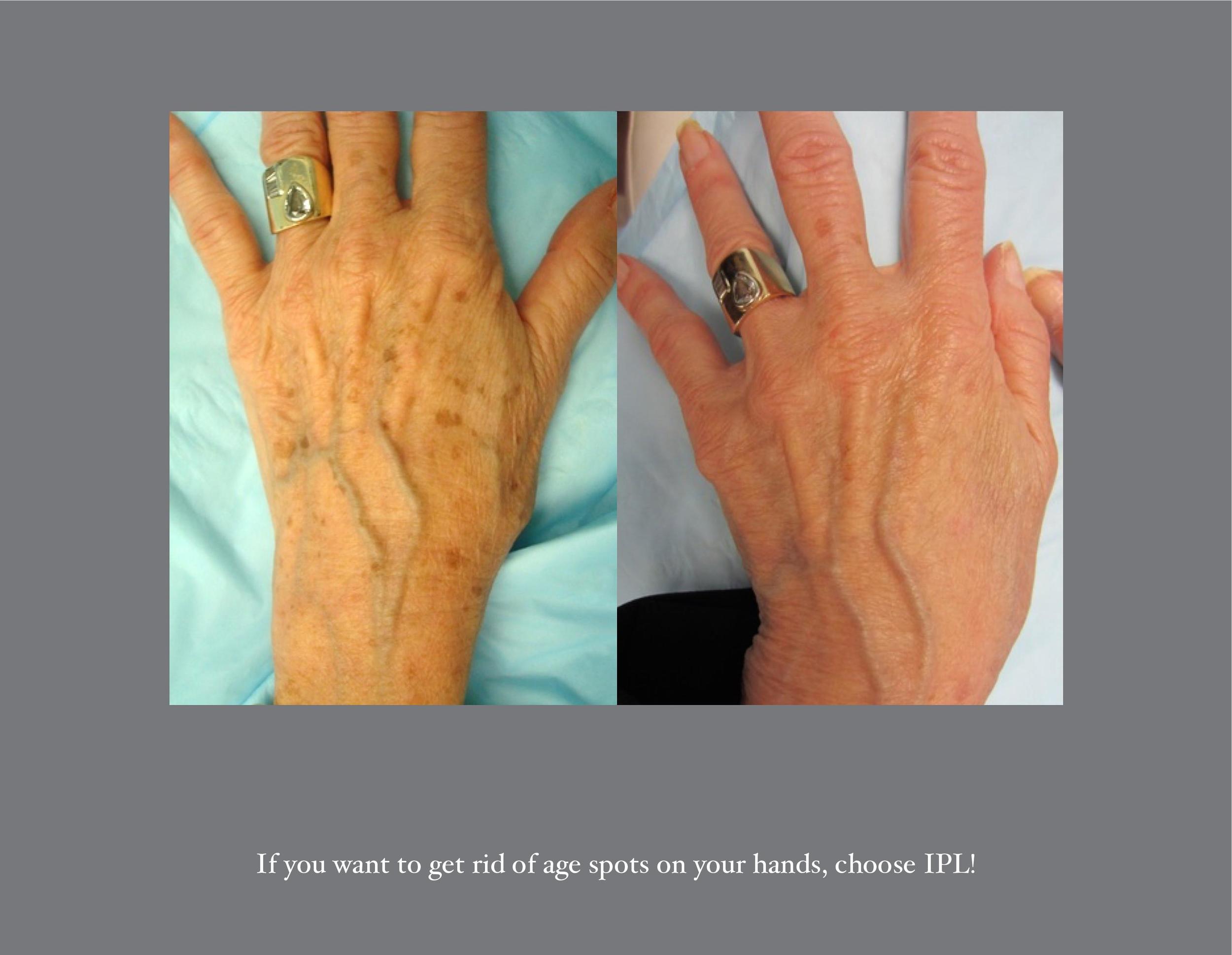
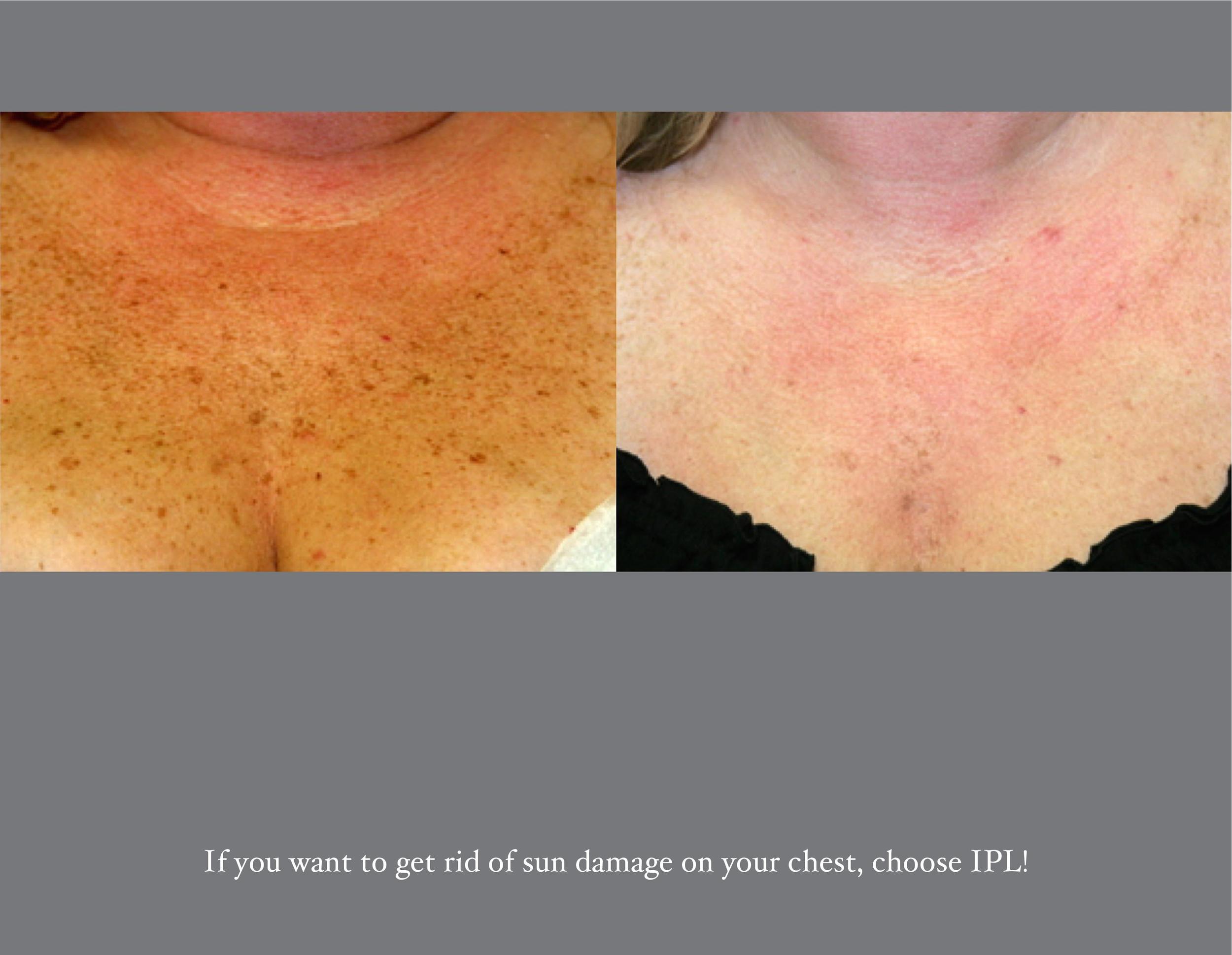
IPL Laser Facial

“Please be sure to learn about the benefits of IPL Laser Therapy. A non-invasive way to get rid of your age spots, broken capillaries and achieve a smoother look - with zero down time. ”
— Dr. Dale