How do I treat HIV?

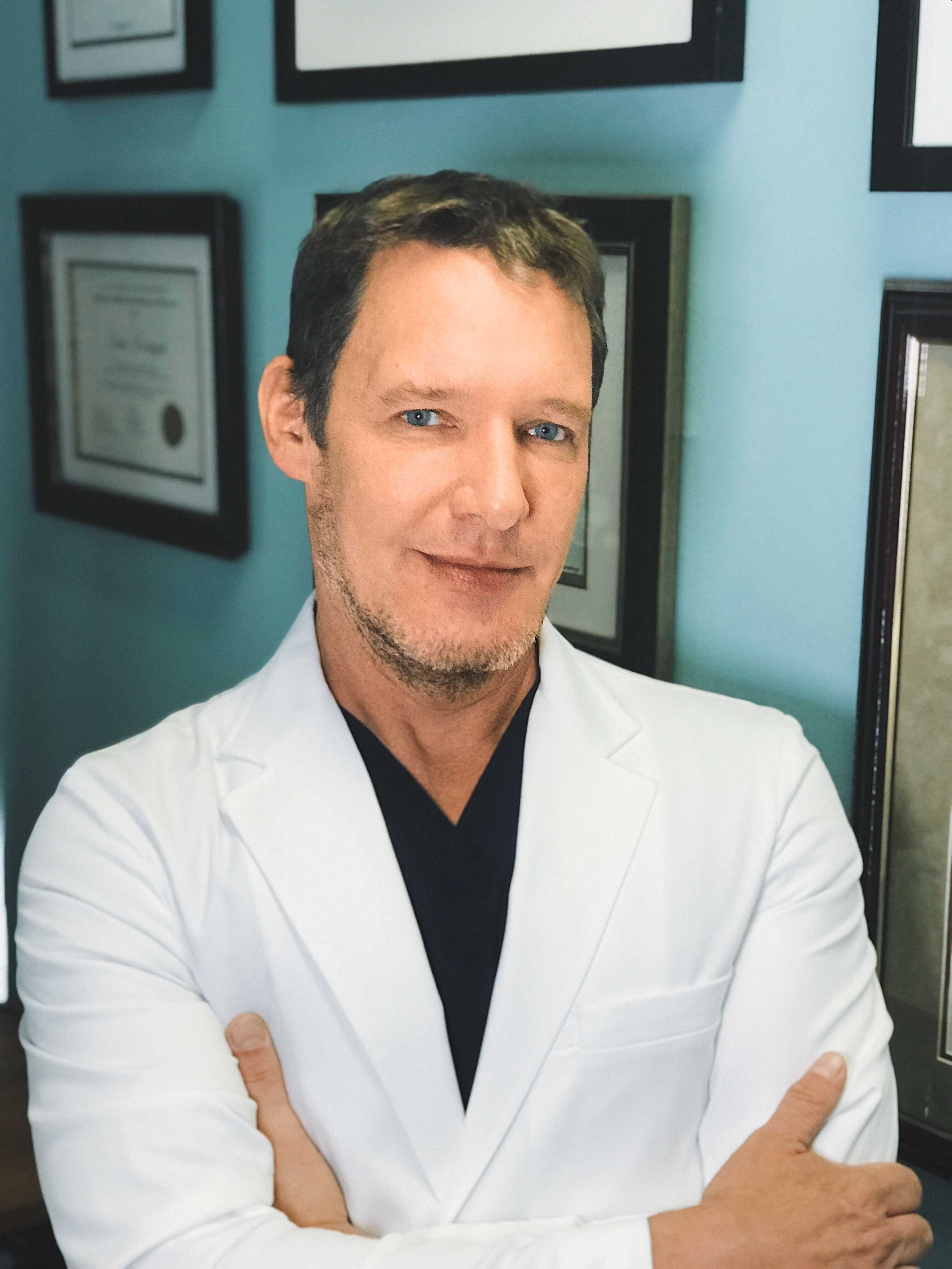
Dale Prokupek MD - High Res.jpg

HIV, or human immunodeficiency virus, is an infection that attacks your immune system and makes it harder for your body to fight other diseases.[1] Being diagnosed with HIV is frightening, but with proper treatment, you can still live a full, healthy life. While there’s no cure for HIV, you can keep it under control and minimize the amount of virus in your body by taking a combination of antiretroviral therapy (ART) medications.[2] You can also reduce your risk of developing complications, such as secondary infections, by taking safety precautions and practicing good home care.

METHOD 1: Get medical treatments

Get tested to determine the stage of your infection.

If you’ve been diagnosed with HIV, it’s critical that you start treatment as soon as possible.[3] In order to make sure that you get the best possible treatment, your doctor will likely recommend doing tests to determine how severe your infection is. Ask your doctor about:[4]

  • A CD4 T cell count. This test checks your levels of a specific type of white blood cell that is attacked by HIV. If your CD4 T cell count falls below 200, your doctor will diagnose you with AIDS (acquired immunodeficiency syndrome), even if you don’t have any symptoms.

  • A viral load test. This test will check to see how much of the virus is in your blood. With HIV medications, you may be able to reduce your viral load to undetectable levels.

  • A drug resistance test. Some forms of HIV are resistant to antiretroviral medications. If your doctor determines that you have one of these strains, they’ll choose treatment options that are more likely to work with your particular form of the virus. This test is usually done if there’s evidence that your current drug treatment regimen is not working (such as a very high viral load).

Ask your doctor to check you for complications.

Your doctor can run tests to find out if you have any other infections or conditions that often occur along with HIV. If you do have any of these complications, talk to your doctor about the best way to treat them.[5]

  • Your doctor may test you for conditions such as tuberculosis, hepatitis, other sexually transmitted infections, urinary tract infections, liver or kidney damage, or toxoplasmosis.

  • You can help your doctor identify any potential complications or secondary infections by telling them about any symptoms you’ve been experiencing.

  • Your doctor will also recommend that you get lab work done regularly (typically every 3-6 months to once a year) to monitor your overall condition. For example, you will likely need a complete blood count (CBC) every 3-6 months, a basic metabolic panel (BMP) 1-2 months after you start treatment and then every 3-6 months, and a urinalysis once a year.

Take antiretroviral medications to control the virus.

The most common treatment for HIV is a combination of medications designed to block the effects of the virus. These medications won’t cure your infection, but they can keep it under control, minimize your symptoms, and give you the best possible quality of life.[6] Your doctor will likely recommend a combination of 3 medications, which you will need to take every day for the rest of your life. The most common types of HIV medications include: NNRTIs, NRTIs, and PIs, entry or fusion inhibitors, and integrase inhibitors.[7]

  • It's important to remember that antiretroviral medications only work on the HIV virus. These drugs will not cure or prevent other STDs.[8]

Let your doctor know if you experience side effects from treatment.

Unfortunately, HIV medications can have a variety of side effects, some of which may be severe. Let your doctor know if you experience any of these side effects. They may be able to adjust your medications, or recommend other medications or dietary changes that can help keep the side effects under control.[9] The most common side effects include:[10]

  • Tiredness

  • Nausea, vomiting, or diarrhea Headaches

  • Fever

  • Muscle cramps

  • Difficulty sleeping

  • Dizziness

Warning: Some HIV medications can have more serious long-term health effects, such as heart disease, liver and kidney damage, and weakened bones. Work closely with your doctor to monitor your reactions to the medication.[11]

Go to regular follow-up appointments with your doctor.

While you are being treated for HIV, see your doctor as often as they recommend to monitor your condition and make sure your medications are working properly. When you see your doctor, let them know if there have been any changes in your condition or if you have any questions or concerns.[12]

  • Don’t hesitate to call your doctor between regularly scheduled appointments if you have concerns or if your symptoms change or get worse.

  • The number and type of medical appointments you’ll need to go to will depend on a variety of factors, like your age, sex, overall health, risk factors for complications, and the stage of your infection.

  • In order to make sure your medications are working, your doctor will recommend regular lab tests. These will include HIV RNA tests (to check how much of the virus is present in your blood) and CD4 cell count tests.

  • These tests may become less frequent as your treatment progresses. For example, you’ll need to take viral load tests every 4-8 weeks after you first start treatment. Once your viral load becomes undetectable, you'll only need the test every 3-6 months.

Tell your doctor if you are pregnant.

Pregnant women with HIV need special care to prevent the virus from being passed to the baby. If you’re pregnant and HIV positive, tell your doctor immediately. They can take measures to keep you and your baby healthy and safe during and after your pregnancy. You can protect your baby before and after birth by:[13]

  • Taking antiretroviral medications during your pregnancy as prescribed by your doctor.

  • Having a C-section instead of a vaginal birth.

  • Using formula to feed your baby instead of breastfeeding.

  • Giving your baby antiretroviral medications 4 times a day until they are 6 weeks old.[14]

Look into joining a clinical trial.

Clinical trials offer opportunities for you to try new and experimental treatments for HIV. Even if you don’t benefit directly from the trial, your participation may help other people with HIV in the future.[15] Ask your doctor if they can recommend clinical trials in your area.

  • You can find a list of clinical trials relating to the treatment of HIV and HIV/AIDS-related complications here: https://aidsinfo.nih.gov/clinical-trials.


Method 2: Preventing Opportunistic Infections

Keep up with your immunizations.

If you have HIV, you’re at a higher risk of developing other infections. Since your immune system is weakened, these infections can also put you in danger of developing serious health problems. Ask your doctor about getting vaccines to protect you from infections like the flu, pneumonia, and hepatitis A and B.[16]

  • When getting vaccines, make sure your doctor knows that you have HIV. Some vaccines, such as those containing weakened versions of the live virus, are dangerous for people with weakened immune systems.

Practice safe sex.

Having safe sex will not only protect your partner from catching HIV, but will also prevent you from picking up other sexually transmitted infections (STIs).[17] To protect yourself and your sexual partner(s):[18]

  • Use a condom every time you have sex. If you’re allergic to latex, choose a polyurethane condom.

  • Limit the number of people you have sex with. If you have a lot of sexual partners, you’re more likely to pick up an STI or give one to somebody else.

  • Avoid drinking alcohol or using drugs before having sex. Using drugs or alcohol can impair your judgment and make you more likely to make risky decisions (like not using a condom).

  • Always take your HIV medications while you are sexually active. This will make you less likely to pass an infection to your partner and will also make you less vulnerable to other infections.

Tip: If you’re worried about passing on your HIV infection to a partner, talk to them about getting a preventative medication prescription from their doctor. Your partner can take this medication (called pre-exposure prophylaxis, or PrEP) to make them less likely to catch the disease.[19]

Avoid possibly contaminated food and water.

If you have HIV, you’re more likely to develop serious infections from eating foods that are contaminated with bacteria or viruses. To prevent this, be cautious about what you eat and drink. For example:[20]

  • Avoid eating raw or undercooked foods.

  • Don’t consume unpasteurized dairy products or fruit juices.

  • Stay away from raw sprouts, such as alfalfa or bean sprouts.

  • Always wash fresh produce, and make sure any equipment or surfaces you use to prepare food are properly cleaned.

  • Drink filtered or bottled water rather than tap water or water taken directly from natural sources, such as lakes or streams.

Take care when interacting with pets.

Having HIV doesn’t mean that you have to give up on the benefits of animal companionship. However, you do need to be extra careful not to pick up potential infections or parasites from your pets. Always wash your hands thoroughly with warm water and soap after handling your pets, cleaning animal cages, or changing pet litter. [21]

  • If possible, ask someone else in your home to take care of cleaning litter boxes or pet cages.

Don’t share needles or other injection equipment.

If you use recreational drugs or any other type of drug or medication that is injected with a needle, never share your needles or syringes with another person. Always use a new needle and syringe.[22]

  • Sharing needles can put you at risk of getting another infection, such as hepatitis.[23] It can also put other people in danger of catching HIV from you.


Method 3: Managing Your Condition at Home

Create a daily routine for taking your medication.

When you have HIV, it’s very important to take your medication every day in order to keep your infection under control. Skipping your medications can allow your infection to get worse, put you at risk of passing the virus on to others, and increase your risk of developing a drug-resistant strain of HIV.[24] Work on developing a routine to help you stay on top of your daily doses.[25]

  • Try to take your medications at the same time each day. To help you with this, you might set an alarm, use a medication reminder app, or ask a friend or family member to help remind you.

  • Let your doctor know if you have trouble sticking to your medication routine for any reason, such as difficulty remembering to take the pills, trouble swallowing your pills, or financial problems making it hard to afford your medication. They can give you advice about how to manage these issues.

  • Never stop taking your medications, even if you don’t have any symptoms or tests show that your viral load is undetectable. Always talk to your doctor before making any changes to your medication routine.

Eat a healthy diet.

Eating well can boost your immune system, raise your energy levels, and even minimize some common HIV medication side effects. Stick to a diet rich in fruits and vegetables, whole grains, and lean proteins (such as fish, white meat poultry, and beans).[26]

  • If you’re not sure which foods are healthiest for you, talk to your doctor or a dietitian.

Ask your doctor about trying supplements.

Some dietary supplements may be helpful in easing some of the symptoms of HIV. Before trying any supplements, talk to your doctor. Some supplements may interact badly with your HIV medications. Potentially helpful supplements include:[27]

  • Acetyl-L-carnitine. This supplement may help ease nerve pain associated with HIV.

  • Whey protein. Whey protein may help you gain weight and reduce diarrhea. There’s also some evidence that it can boost your count of CD4 T cells, the immune cells that are attacked by the HIV infection.

Warning: Certain supplements can make your HIV medications less effective. Don’t take garlic supplements or St. John’s wort if you’re being treated for HIV, and let your doctor know before taking any other supplements.

Reach out to your support network.

While HIV is much more manageable than it used to be thanks to current advances in medicine, it can still be emotionally, physically, and financially devastating. If you are struggling to cope with your condition, reach out to friends and family for support. You might also benefit from joining a support group or talking to a counselor.[28]

  • Many HIV/AIDS clinics offer a variety of support services to their patients, including counseling and practical help with issues like getting to doctor’s appointments and finding financial resources.

This blog post was co-authored by Dr. Dale Prokupek and originally published here.


References

  1. https://www.mayoclinic.org/diseases-conditions/hiv-aids/symptoms-causes/syc-20373524

  2. https://www.mayoclinic.org/diseases-conditions/hiv-aids/diagnosis-treatment/drc-20373531

  3. https://www.cdc.gov/hiv/basics/livingwithhiv/treatment.html

  4. https://www.mayoclinic.org/diseases-conditions/hiv-aids/diagnosis-treatment/drc-20373531

  5. https://www.mayoclinic.org/diseases-conditions/hiv-aids/diagnosis-treatment/drc-20373531

  6. Prokupek, Dale, MD. Personal interview. 16 April 2020.

  7. https://www.mayoclinic.org/diseases-conditions/hiv-aids/diagnosis-treatment/drc-20373531

  8. Prokupek, Dale, MD. Personal interview. 16 April 2020.

  9. https://www.hiv.gov/hiv-basics/staying-in-hiv-care/hiv-treatment/tips-on-taking-your-hiv-medication-every-day

  1. https://aidsinfo.nih.gov/understanding-hiv-aids/fact-sheets/22/63/hiv-medicines-and-side-effects

  2. https://aidsinfo.nih.gov/understanding-hiv-aids/fact-sheets/22/63/hiv-medicines-and-side-effects

  3. https://www.mayoclinic.org/diseases-conditions/hiv-aids/diagnosis-treatment/drc-20373531

  4. https://aidsinfo.nih.gov/understanding-hiv-aids/fact-sheets/24/50/preventing-mother-to-child-transmission-of-hiv

  5. https://www.aafp.org/afp/2002/0515/p2061.html

  6. https://www.nih.gov/health-information/nih-clinical-research-trials-you/why-should-i-participate-clinical-trial

  7. https://www.mayoclinic.org/diseases-conditions/hiv-aids/diagnosis-treatment/drc-20373531

  8. Prokupek, Dale, MD. Personal interview. 16 April 2020.

  9. https://aidsinfo.nih.gov/understanding-hiv-aids/fact-sheets/26/98/hiv-and-sexually-transmitted-diseases--stds-

  10. https://aidsinfo.nih.gov/understanding-hiv-aids/fact-sheets/20/85/pre-exposure-prophylaxis--prep-/

  11. https://www.cdc.gov/hiv/basics/livingwithhiv/opportunisticinfections.html

  12. https://www.mayoclinic.org/diseases-conditions/hiv-aids/diagnosis-treatment/drc-20373531

  13. https://www.mayoclinic.org/diseases-conditions/hiv-aids/diagnosis-treatment/drc-20373531

  14. https://www.cdc.gov/hiv/basics/livingwithhiv/opportunisticinfections.html

  15. https://www.cdc.gov/hiv/basics/livingwithhiv/treatment.html

  16. https://aidsinfo.nih.gov/understanding-hiv-aids/fact-sheets/21/55/following-an-hiv-regimen---steps-to-take-before-and-after-starting-hiv-medicines

  17. https://www.mayoclinic.org/diseases-conditions/hiv-aids/diagnosis-treatment/drc-20373531

  18. https://www.mayoclinic.org/diseases-conditions/hiv-aids/diagnosis-treatment/drc-20373531

  19. https://www.mayoclinic.org/diseases-conditions/hiv-aids/diagnosis-treatment/drc-20373531

  20. https://aidsinfo.nih.gov/understanding-hiv-aids/fact-sheets/26/98/hiv-and-sexually-transmitted-diseases--stds-

Is a Colonoscopy Screening Worth It?

Hey friends, 

Did you know?  

In the United States, colorectal cancer is the third leading cause of cancer-related deaths in men and in women, and the second most common cause of cancer deaths when men and women are combined. It's expected to cause about 53,200 deaths during 2020.

The American Cancer Society predicts 17,930 new cases of colorectal cancer within the under-50 population and 3,640 deaths in 2020.

What can you do?

A colonoscopy screening can prevent over 90% of deaths related to colon cancer.

The U.S. Preventive Services Task Force currently recommends that screening should begin at age 50 for those who have no predisposing symptoms.

Recently, the American Cancer Society recommended lowering the screening age to 45, in order to catch a good percentage of the younger people whose risk may be increasing. (Chadwick Boseman’s death underscores colorectal cancer increase in younger adults and health gaps for African Americans)

Patients at high risk—notably those with a family history, a known genetic risk, inflammatory bowel disease, or certain other disorders—should start earlier.  


What are you afraid of?  

A lot of people are unaware of their need to be screened with a colonoscopy. And even worse, many know they need it, though they are afraid of the procedure.  

Please, don’t be scared.  And please don't be stubborn. Do yourself and your family a favor and strongly consider giving me a call so we can take care of you.  And if you're under the recommended age of 50, please share this and encourage a loved one.  

I know 2020 has been a tough year but let’s try to close it as healthy as possible.

It's a proven lifesaver.  And I'll be by your side the entire time.

Live well, 

-- Dr. Dale


How do I prevent HIV infection?

Dale Prokupek MD - High Res.jpg

HIV (Human Immunodeficiency Virus) is a serious, lifelong infection that can lead to AIDS (Acquired Immune Deficiency Syndrome) when left untreated. There are many myths about how HIV is transmitted, so do not assume that what you've heard is correct. Educate yourself before you inject drugs or have sex, even if you think it's safe or "not real sex."

Part 1 — Understanding HIV Transmission

Know which fluids contain HIV. 

Someone infected with HIV cannot spread it by sneezing or shaking hands, like an ordinary cold. For an uninfected person to get HIV, he needs to come into contact with one of the following: [1]

  • Blood

  • Semen and pre-seminal fluid (cum and pre-cum)

  • Rectal fluids (fluids found in the anus)

  • Vaginal fluids

  • Breast milk

  • Saliva (contains a minuscule amount of the virus but salivary enzymes denature it)[2]

Protect areas vulnerable to HIV infection. 

The safest way to avoid HIV is to avoid all contact with the above fluids. However, the following areas of your body are much more likely to pick up an infection if exposed to infected fluids:[3]

  • Rectum

  • Vagina

  • Penis

  • Mouth

  • Cuts and wounds, especially if bleeding

Test yourself and sexual partners for HIV. 

Many people are infected with HIV without realizing that they have the virus. Having a saliva or blood test done at a clinic or doctor's office is the most accurate way to get tested, but there are also at-home tests you can take as well.[4] Get tested every time you have sexual contact with a new partner.[5] A "negative" result means you do not have the virus, while a "positive" result means you are infected with HIV.

  • Many areas have HIV/AIDS clinics that provide free tests.

  • You can usually get a result within the hour, but this is not 100% reliable. For accurate results, ask for the test to be sent to a lab, or get tested a second time by a different staff member.[6]

  • Even if you test HIV-negative, you may still have a recent infection. Practice precautions as though you had HIV for 3-6 months, then return for a second test.[7] Different tests have different "window periods".

Practice safe interactions. 

  • The following activities have no significant risk of contracting HIV:

  • Hugging, shaking hands, or touching an HIV-positive person.

  • Sharing a bathroom or toilet with an HIV-positive person.

  • Kissing an HIV-positive person — unless he or she has cuts or sores in the mouth. Unless there is visible blood, the risk is extremely small.[8]

  • Someone who does not have HIV can never "create" it and transmit it through sex or other means. However, it is not possible to know that someone is HIV-negative with 100% certainty. Talk about past partners and HIV tests to help establish a risk reduction plan for you and your partner.

Part 2 — Practicing Safer Sex

Have sex with fewer, trusted partners. 

The fewer people you have sex with, the lower the chance that one of them has HIV. The lowest risk comes in a "closed" relationship where the people involved only have sex with each other. Even then, get tested and follow safe sex practices. There is always the chance that someone is unfaithful.

Choose low-risk types of sex. 

These activities carry almost no risk of transmitting HIV, even if one person involved has the virus:[9]

  • Erotic massage

  • Masturbation or hand jobs (hand-to-penis), without sharing bodily fluids

  • Using sex toys on your partner, without sharing them. For added safety, put a new condom on the toy for each use, and wash thoroughly afterward.

  • Finger-vagina or finger-anus contact. There is a chance of transmission if the finger has a cut or scrape. Increase safety with medical gloves and water-based lubricant.

Practice safer oral sex. 

There is significant risk of infection if you perform oral sex on an HIV-positive person's penis. It is rare, but not impossible, to get HIV from someone using their mouth on your penis or vagina, or from performing oral sex on a vagina.[10] Take these precautions to minimize this risk, and avoid other diseases:

  • If a penis is involved, put a condom over it. Latex condoms are the most effective, followed by polyurethane. Do not use sheepskin condoms.[11] Use flavored condoms if you need to improve the taste.

  • If a vagina or anus is involved, hold a dental dam over it. If you don't have one, cut open a non-lubricated condom or use a natural rubber latex sheet.

  • Don't allow someone to ejaculate into your mouth.

  • Consider avoiding oral sex during menstruation.

  • Avoid flossing or tooth-brushing before or after oral sex, as this may cause bleeding.

Protect yourself during vaginal sex. 

Inserting a penis into a vagina causes a high risk of HIV transmission for both people involved, especially for the woman. Reduce this risk by using a condom or a latex female condom — but not both. Always use water-based lubricant to reduce the risk of the condom breaking.[12]

  • The outer ring of the female condom must remain around the penis and outside the vagina at all times.[13]

  • Other forms of contraception do not protect against HIV. Pulling out before ejaculation does not protect against HIV.

  • It is possible but not certain that people who have undergone male-to-female reassignment surgery can contract HIV more easily.[14]

Be very cautious when practicing anal sex. 

Rectal tissue is highly sensitive to tearing and damage during intercourse. This makes the risk of transmission high for the person inserting a penis, and extremely high for the person receiving the penis.[15] Consider other forms of sexual activity as described above. If you do perform anal sex, use latex condoms and plenty of water-based lubricant.

  • Female condoms are probably effective during anal sex, but this has not been thoroughly studied. Some organizations recommend removing the inner ring, while others do not.[16]

Store and use a condom correctly. 

Review how to put on and take off a condom or female condom. Importantly, remember to pinch the tip before putting on a male condom, and grip the base closed when you remove it. Before you have sex, make sure the condom was treated properly:[17]

  • Never use oil-based lubricant with latex or polyisoprene condoms, which can break the condom.

  • Use the condom before its expiration date.

  • Store the condom at room temperature, and not in your wallet or other place where it may get damaged.

  • Use a condom that fits snugly, but easily.

  • Do not stretch the condom to examine it for tears.

Avoid increased risk practices. 

No matter which type of sex you engage in, some practices make the risk of transmission higher. Be aware of these factors:[18]

  • Rough sex increases the odds of the condom tearing.

  • Avoid spermicides that contain N-9 (nonoxynol-9). This can irritate the vagina and increase the chance of the condom tearing.

  • Do not douche the vagina or rectum before sex. This can irritate the area or remove bacteria that help fight infection. If you need to clean the area, clean gently with a soapy finger and water instead.

Avoid alcohol and drugs before sex.

 Substances that affect your mental state increase the odds of making a bad decision, such as having unprotected sex. Have sex only when sober, or make plans in advance to protect yourself.

Part 3—Avoiding HIV from Non-Sexual Sources

Use clean needles and equipment. 

Before injecting any substance, make sure the needle you are using has been stored in a clean container, and has never been used by anyone else. Never share cotton balls, containers of water, or any other drug-related equipment with another injecting drug user. Sterile needles are available at pharmacies, or at free needle exchange programs in some areas.

  • In most places, you do not have to explain why you are buying or exchanging the needle.

Avoid untrustworthy body work. 

Avoid receiving body piercings or tattoos performed by anyone but licensed professionals in a well-maintained professional environment. All needles use should be brand new, and you should watch the artist open the sealed package at the start of your appointment. The use of contaminated instruments could result in the transmission of HIV.

Bleach your needles as a last resort. 

There is no way to completely disinfect a needle by yourself. There will always be a chance that a used needle transmits HIV. Use this only if you are going to inject anyway, and do not expect it to protect yourself completely:[19]

  • Fill the syringe with clean tap or bottled water. Shake or tap the syringe to stir it. Wait 30 seconds, then eject and throw away all water.

  • Repeat several times, then additional times until no blood is visible.

  • Fill the syringe with full-strength household bleach. Shake or tap it, and wait 30 seconds. Squirt it out and throw it away.

  • Rinse the syringe with water.

Quit using addictive drugs. 

Addiction makes drug users more likely to take risks. The only certain way to eliminate the risk of HIV transmission from injected drugs is to stop injecting. Attend a drug addiction meeting in your area for help and more information.

Use caution when handling contaminated objects. 

Whether you are a drug user or health worker, be very careful around used syringes. In a hospital, assume that all fluids are infectious. Assume that any sharp or broken equipment may be contaminated with infected fluids. Wear gloves, a face mask, and long sleeves. Pick up contaminated objects using tweezer or other tools, and dispose of them in a clear container or biohazard bag. Disinfect all skin, hands, and surfaces the object or infected blood came into contact with.

Part 4— Medication and Testing

Consider Pre-Exposure Prophylaxis (PrEP) for long-term protection. 

This once-a-day pill can greatly reduce the risk of HIV infection, but only if used as prescribed. PrEP is recommended for people who do not have HIV, but are exposed to HIV-positive sexual partners or objects regularly.[20]

  • Visit a doctor every 3 months when taking PrEP, to check your HIV status and monitor for renal (kidney) problems.

  • There are no known effects of PrEP on a fetus, but there have not been many studies. Talk to your doctor if you are on PrEP and become pregnant.

  • PrEP is only able to prevent you from contracting HIV and not other STDs. Even while taking PrEP, it is important to continue using protection while having sex.[21]

Use Post-Exposure Prophylaxis (PEP) immediately after exposure. 

If you think you've been exposed to HIV, talk to a medical worker at an HIV clinic or hospital immediately. If you start taking PEP drugs as soon as possible, and no later than 72 hours after exposure, there is a chance that you will fight off the HIV infection.[22] You must take the drug (or more typically two or three drugs) daily for 28 days, or as directed by the health worker.

  • Because this is not a guaranteed method of protection, you should still be tested for HIV after the drugs are done, and a second time 3 months later. Until you test negative, tell your sexual partners that you may have HIV.

  • If you are exposed frequently, take PrEP as a constant daily pill instead, as described above.

Understand treatment as prevention. 

HIV-positive people who take antiretroviral drugs can have significant success managing their infection levels. Some of these people consider this ongoing treatment an important tool to help prevent spreading the infection to their HIV-negative partners. Researchers and workers in the HIV prevention community are divided on how effective this message is. Some studies show that people who use "treatment as prevention" (TasP) are more likely to skip other forms of protection, such as condoms.[23] While treatment can certainly reduce the risk of transmitting the infection, it is not a guarantee. Each person involved should receive regular testing to measure the risk involved.

Understand undetectable viral loads. 

Someone infected with HIV should receive regular testing to determine the "viral load," or concentration of HIV in the bodily fluids. With constant treatment, HIV positive people can have "undetectable viral loads." It's important to understand that someone with an undetectable viral load still has HIV, and may still be able to transmit HIV to a sexual partner. While some studies show very promising results about low (or potentially nonexistent) transmission rates, more studies are needed for accurate risk assessment.[24] [25] Some people with undetectable viral loads in their blood may have much greater viral loads in their semen or other bodily fluids.[26]

Get tested regularly. 

All of the suggestions listed here are risk mitigation techniques. There is no such thing as completely safe sex or safe drug use. Things can go wrong. Accidents happen. Whether or not you use protection while having sex, you should get tested for HIV every 3 to 6 months.[27] If you engage in any behaviors that increase your risk of contracting HIV, such as unprotected sex or sharing needles with someone, seek the advice of a medical professional as soon as you can in order to determine the best course of action.

This article was co-authored by Dale Prokupek, MD, and can also be found here.