Why It’s Important to Choose a Primary Care Provider

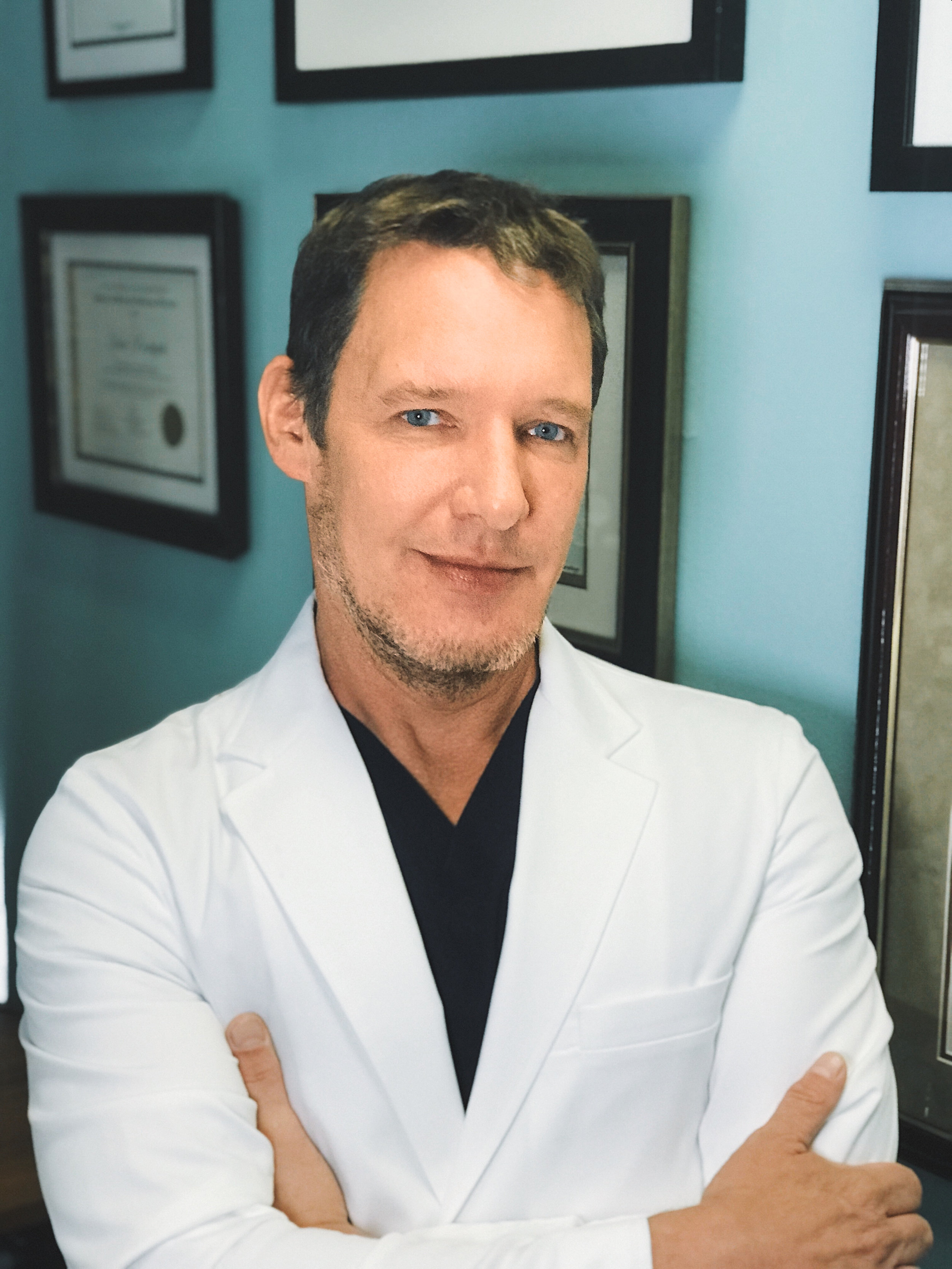
Dr. Dale Prokupek, MD.jpg

In the not-too-recent past, it was common for patients to develop close relationships with their physicians, often seeing the same doctor for decades.  But as healthcare has changed and people have become busier, many patients are now neglecting to choose a primary care provider (PCP). Often, these are younger patients who generally consider themselves to be healthy, and thus may not see the need for a PCP.   

In reality, developing a trusted, ongoing relationship with a personal physician is important for everyone, regardless of age or health status.  When a provider knows you well, they’ll be better equipped to offer medical care that meets your individual needs. In fact, multiple studies have shown that patients who have a PCP experience better health overall.  Choosing a PCP can also offer some specific health benefits, including:

Higher patient satisfaction:  People who have a PCP tend to be happier with their healthcare.  When you work with a doctor who knows you well, communication is easier and you don’t need to repeat your health history at every visit.  He or she is also able to make better referrals when you need to see a specialist, and stress levels are decreased because you don’t need to search for a new doctor every time you need one.

Lower healthcare costs: People who have a PCP save money.  Insurance co-pays for PCP visits tend to be significantly cheaper compared to those for specialists or urgent/emergency care.  Additionally, people who have a PCP tend to experience fewer health conditions that can lead to costly hospital visits.

Better long-term health: People who have a PCP tend to be healthier in the long-run.   When you see your doctor on a regular basis, we can often identify problems early on, before they become major health issues.  We can also work together to manage chronic conditions and prevent long-term complications.

As a PCP, my goal is to serve as your “home base” for all things health-related.  This includes preventative services such as check-ups and immunizations, medical care for acute illnesses or injuries, management of chronic conditions, and appropriate referrals in the event that you need to see a specialist.  I can also assist with things like explaining test results and helping you navigate the (sometimes confusing) healthcare system.

I offer a full range of primary care services in my Beverly Hills office. You can schedule an appointment online below, or by calling 310-360-6807. We look forward to getting to know you and serving as your healthcare home base.

Managing IBS with Diet

Dr. Dale Prokupek, MD.jpg

Hey everyone! Dr. Dale here.

Irritable bowel syndrome, or IBS, is one of the most common conditions that I see in my gastroenterology practice.  In fact, it’s estimated that about 15% of the world’s population struggles with IBS and the unpleasant symptoms that go along with it—including gas, bloating, constipation, and diarrhea.

Patients should know that diet alone may not effectively treat IBS.  Plus, IBS symptoms can sometimes be very similar to those found with more dangerous health conditions, such as colon cancer or Crohn’s disease.  For these reasons, it’s important to call the office and schedule an appointment if you believe you may have IBS. However, many patients do find that they are able to manage their symptoms and find some relief through an IBS-appropriate diet.

There are a number of specialized diets available for patients with IBS and other GI issues.  These include diets that eliminate or restrict common “trigger foods”, such as gluten, dairy, sugar, and high amounts of fiber.  Every patient is unique, so trigger foods may not be the same for everyone, and you may need to trial a few different diets before you find the right fit.

If you’d like to try an IBS diet, the “low FODMAP” diet is a great place to start.  This diet was developed by researchers at Monash University in Australia, specifically for patients with IBS.  FODMAP stands for Fermentable Oligosaccharides Disaccharides Monosaccharides and Polyols. While the name may seem long and confusing, the important thing to know is that it refers to specific types of carbohydrates that are difficult for people with IBS to digest.  The low FODMAP diet focuses on eliminating these types of carbohydrates, while including a variety of foods that are easier to digest.

In general, a patient following the low FODMAP diet would avoid cow’s milk, certain types of fruits and veggies, most legumes, gluten-containing grains (wheat, barley, and rye), and high-fructose corn syrup.  Instead, this patient might consume almond milk, low-FODMAP fruits and veggies, animal proteins, rice, and sugars that are lower in fructose. There are hundreds of foods that have been tested at Monash University and certified as safe for people with IBS.

One caveat: the low FODMAP diet is quite specific.  Rather than just avoiding one group of foods, such as meat or fats, the low FODMAP diet restricts certain foods from many different food groups.  For this reason, it can be a little challenging to get the hang of, so please call the office at 310-360-6807 and make an appointment if you think you’d like to give it a try.  We can schedule some time to discuss your IBS symptoms and specific nutrition needs, and give you some pointers on getting started with the diet.

The Monash University website also has some great information on this diet, including recipes and a list of high and low FODMAP foods. You can view these resources at: https://www.monashfodmap.com/about-fodmap-and-ibs/

Achieving Your Weight Loss Goals

Dr. Dale Prokupek, MD.jpg

With January and February complete, many of my patients are still working towards achieving their New Year’s resolutions.  Often, this means a renewed focus on health and physical fitness, and particularly on losing weight. In addition to its aesthetic aspects, weight loss has so many positive benefits for health—decreased risk of chronic diseases, increased self-esteem, improved energy levels—but this resolution can certainly be challenging to accomplish.

First and foremost, it’s always a smart idea to meet with your healthcare provider prior to beginning any weight loss program.  I can help you to identify an appropriate target weight and physical activity level, and help you develop a personalized weight loss plan that complements your lifestyle.

Patients sometimes struggle to lose weight through diet and exercise alone.  If this sounds familiar, I may have some strategies that can help you meet or maintain your weight loss goals.  Orbera® is a comprehensive, managed weight loss system that has been shown to help patients lose more than three times the weight of diet and exercise alone.  I’m excited to now offer Orbera at my Beverly Hills office.

For most patients, Orbera is a year-long program.  We begin by placing a temporary gastric balloon in your stomach, which stays in place for about six months.  During these six months, you’ll learn portion control, retraining your brain to understand what it means to eat healthy.  The balloon placement is a simple, outpatient procedure that is done in-office.

After the balloon is removed (again, through a simple, in-office procedure), you’ll continue working through the Orbera program for an additional six months.  During this time, you’ll follow a specialized diet and exercise program, receive personalized support from my office, and further develop your healthy eating habits—making it far more likely that you’ll be able to maintain your weight loss.

CoolSculpting® is another in-office option that can help you achieve your weight loss goals.  Unlike Orbera, which focuses on overall weight loss, CoolSculpting targets fat in specific areas.  It’s great for contouring stubborn areas that may be resistant to diet and exercise, such as the chin, upper arms, or love handles.

Using a specialized applicator, the CoolSculpting system delivers targeted cooling to trouble areas, essentially freezing off the fat cells.  Over the next four to six months, your body will naturally flush out these fat cells, leaving a contoured, sculpted physique. CoolSculpting is a safe procedure with no downtime, so many patients even return to work after their appointment.

Because Orbera and CoolSculpting may not be right for every patient, you’ll need to schedule a consultation to ensure you achieve the best weight loss results.  You can contact my office at 310-360-6807 if you have any questions about these procedures, or to schedule a consultation.