Thank you HuffPo for another great explanation of a common misconception. They share many of the same symptoms, yet they are both triggered differently. If you find yourself having anxiety attacks PLEASE come see me. There are NON-medicinal relief strategies we can talk about (Yoga), and if that doesn't work a simple prescription does the trick for many of my patients. Don't let fear or external situations affect your daily life. SAY GOODBYE TO STRESS AND ANXIETY. Say HELLO to a fresh smile. I got you.
-- Dr. Dale
The Difference Between Stress And Anxiety
The Huffington Post | by

It’s safe to assume that most of us have experienced stress in one form or another, whether it’s a deadline at work, a family conflict or an important decision. The constricting, chest-pressing fear can feel never ending and can put us into a state of unrest.
With stressful elements churning in our minds, it can be difficult to sort out how we’re feeling, and more importantly, whatlevel of stress we’re experiencing. It’s human nature to exaggerate, so there are many times when we claim we feel something more than we actually do. Enter (often false) statements like “This situation is giving me anxiety.” and “This whole thing is going to make me have a panic attack.”
So how can we tell when our stress is actually yielding to these conditions? David Spiegel, Stanford University’s associate chair of psychiatry and behavioral sciences, says that while the line between stress and anxiety often gets blurred, there are distinct things to be aware of -- including how these emotions affect the body and the root causes of each. Below, find five things you should know about stress, anxiety and how they really compare to each other.

Stress and anxiety share many of the same physical symptoms.
Whether you’re tense or suffering from something more, the stressful and anxious emotions can sometimes bring the same feelings of arousal, Spiegel says. Stressful or anxious emotions speed up our heart beats, trigger rapid breathing and cause muscle tension. The similarities taper when anxiety yields to a panic attack, which brings about more severe versions of the symptoms, including chills, headaches, hot flashes and chest pains.

The cause of acute stress is distinctly different from the cause of anxiety .
While there is definite overlap between stress and anxiety, Spiegel says that ultimately the two emotions come from two different places. “With stress, we know what’s worrying us but with anxiety you become less aware of what you’re anxious about [in the moment] and the reaction becomes the problem,” Spiegel explains. “You start to feel anxious about being anxious.”
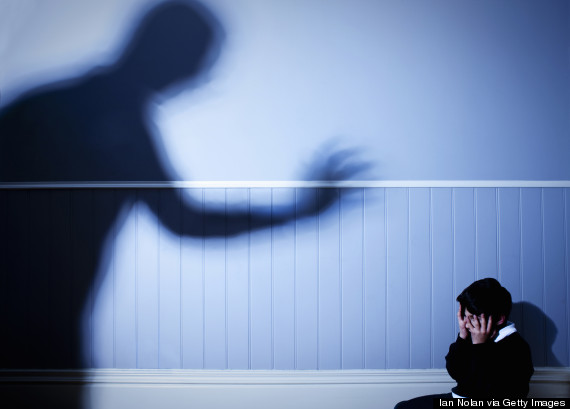
A lot of anxiety can stem from fear...
Phobias of events, activities or social situations are all rooted in terror, causing the person suffering from the disorder to panic when they come face-to-face with that stressor, Spiegel explains. “Anxiety is like a snowball,” he says. “Anxiety converts fear into feelings and people who suffer from it tend to avoid what’s making them fearful, which can make it worse.”
Writing in The Huffington Post, clinical counselor Megan Devine details how her constant fear of the unknown left her crippled with anxiety. In order to overcome that fear, she suggests addressing the fear head-on, then taking steps from there. “Remember that calming your anxiety is not one bit related to whether something unexpected happens or not,” she wrote. “Calming your anxiety is about only that: calming your anxiety. The crazy train of fear prevents you from being present to what is, and it most definitely keeps you from enjoying what is here in this moment.”
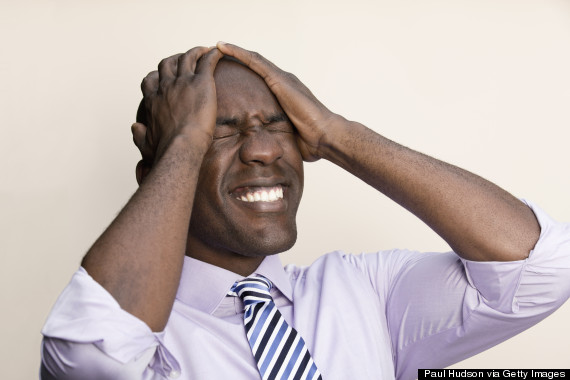
...while the majority of acute stress stems from external situations.
“When it comes to stress, you know what you’re dealing with -- a looming deadline, bills, picking up the kids,” Spiegel says. “It’s these [outside stressors] that are able to be prioritized and handled one at a time.”
Spiegel suggests dismissing any thoughts of multitasking in order to better manage stress and to let go of the idea that you need to solve everything. “Figure out what you can do about things and what you can't,” he says. “Take on the things you can do something about and give yourself some credit when you’ve accomplished something.”

Anxiety and stress are often used interchangeably, even though they’re two different experiences.
By definition, anxiety and stress are categorized by separate feelings. The stress we experience in our day-to-day lives is associated with frustration and nervousness, where anxiety often comes from a place of fear, unease and worry. Still, despite the differences, many people use the terms interchangeably. In a blog post on Psychology Today, psychologist and psychotherapist Harriet Lerner explains why we tend to lump together each phrase pertaining to the emotional response:
In everyday conversation, we use the language of emotions that we're comfortable with and that fits our psychological complexion. I've worked with clients who don't report feeling anxious or afraid. "I'm incredibly stressed out..." is their language of choice. "Stressed" is the codeword for "totally freaked out" for people who are allergic to identifying and sharing their own vulnerability. Or, at the other linguistic extreme, a woman in therapy tells me that she feels "sheer terror" at the thought that her daughter's wedding dress will not fit her properly. I know her well enough to translate "sheer terror" into "really, really, worried." Whatever your emotional vocabulary, no one signs up for anxiety, fear and shame, or for any difficult, uncomfortable emotion. But we can't avoid these feelings, either.
“The key difference [between the two] is the sense of helplessness,” Spiegel explains. “When it comes to stress, you can deal with things and master them. By rolling up your sleeves and tackling that stress, you can feel less helpless.”
